Bubo scandiacus.
One of the easiest to identify owls of the world. Found in the northernmost regions of the planet. The Snowy Owl is truly a unique owl, in its plumage and hunting habits.
Largely diurnal, it does most of its hunting by day. Taking small mammals, mostly lemmings, but also ptarmigans, rabbits, and mice. One snowy owl can take as many as 1,600 lemmings per year.
They hunt from a perch and pursue prey, capturing them with their massive talons. They can also locate prey by ear, even through thick grass and snow.
They lay 3-11 eggs depending on availability of food and have been known to be extremely defensive of their nests. Fighting off wolves and any other predators.
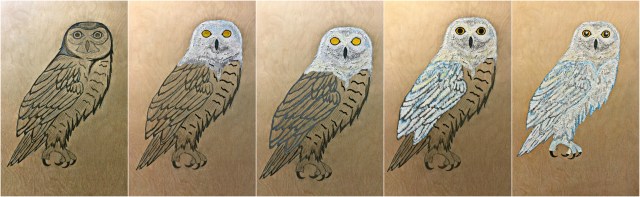
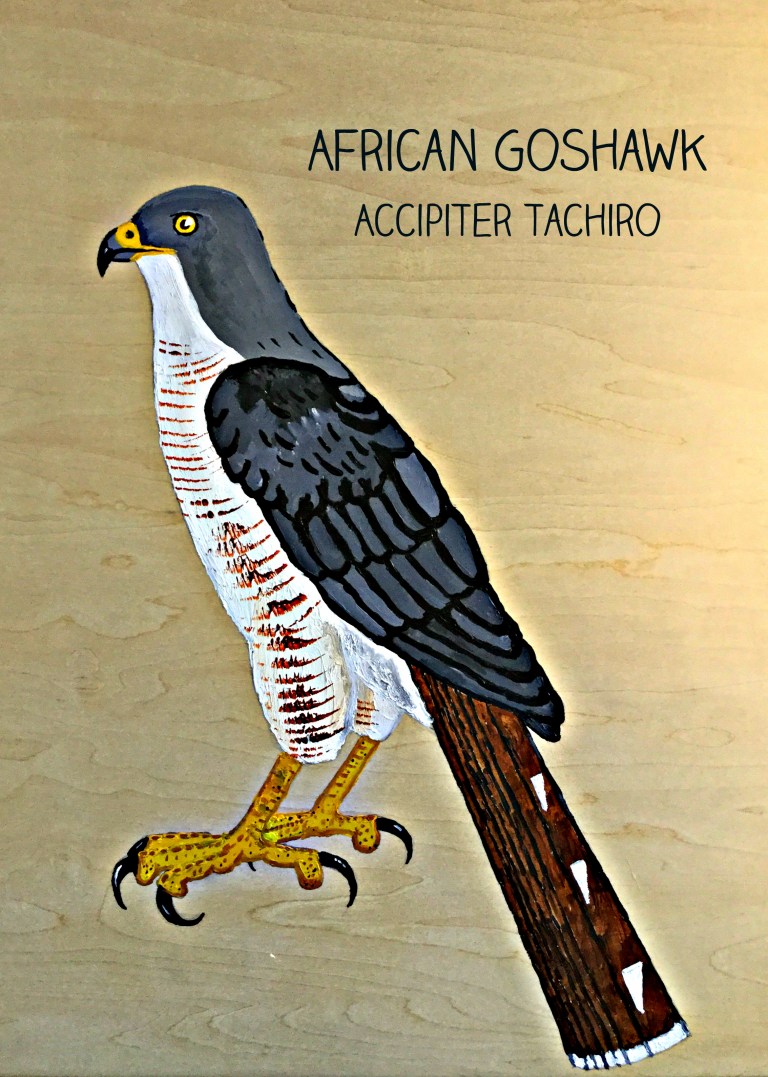
This owl has been on my to-do list for years. It wasn’t until this fall that I felt I had the technical skills to get it done like the others. I used yellows and blues to add some dynamic. This is likely my last owl that I’ll get done here in Oakland. My next few projects will be African raptors, and those will be coming to you from Chicago, Illinois.
I am forever grateful for the time I’ve been able to spend in Oakland, I underestimated its potential, but learned quickly of its heart, passion, and beauty.
I’m excited for the art and adventures to come in the city by the lake.
A heartfelt thank you to all my California friends who have encouraged me to reach this point, both as an artist and as a man.
Thanks for looking at birds with me again. Lots more to come.
Thank you,
Farnco




 farnco illustrations