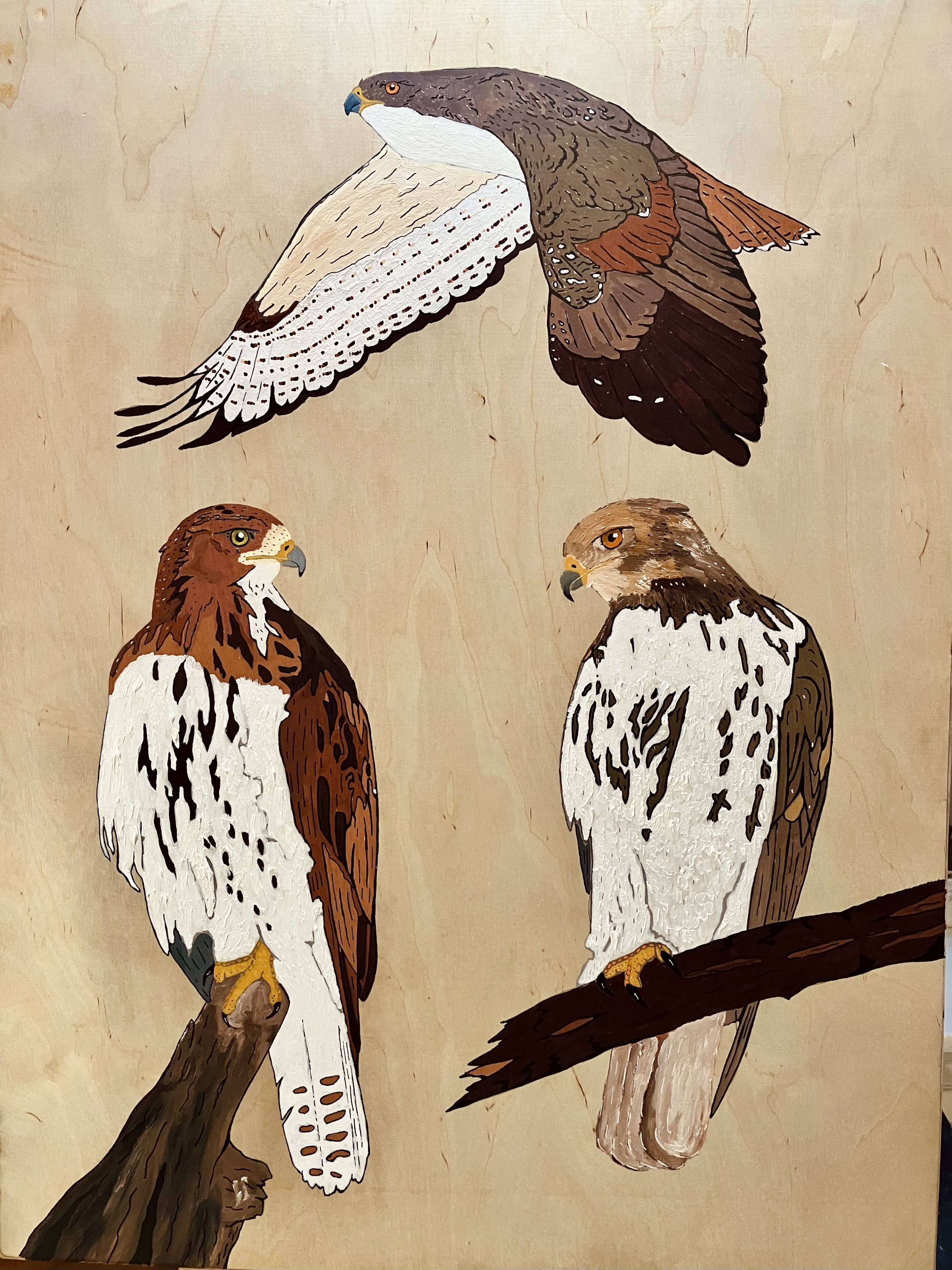
Red-Tailed Hawk

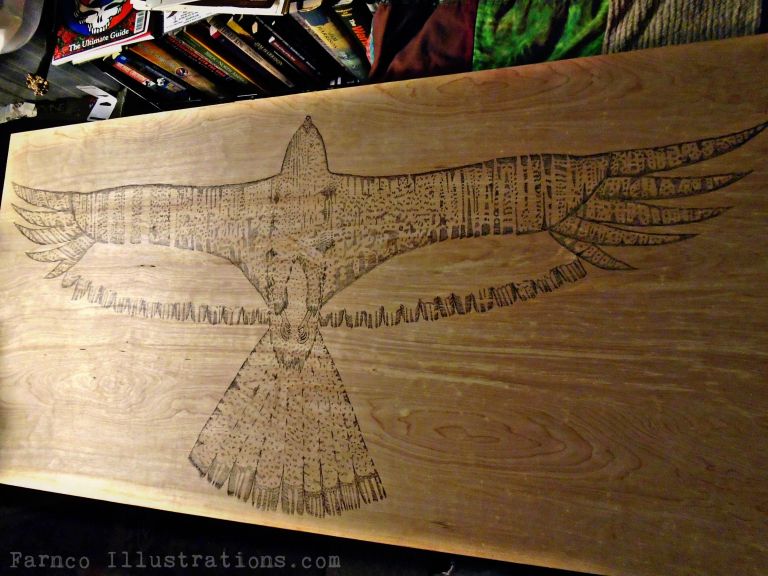
North America’s most widespread bird of prey. And easily the most represented species in my art portfolio. 

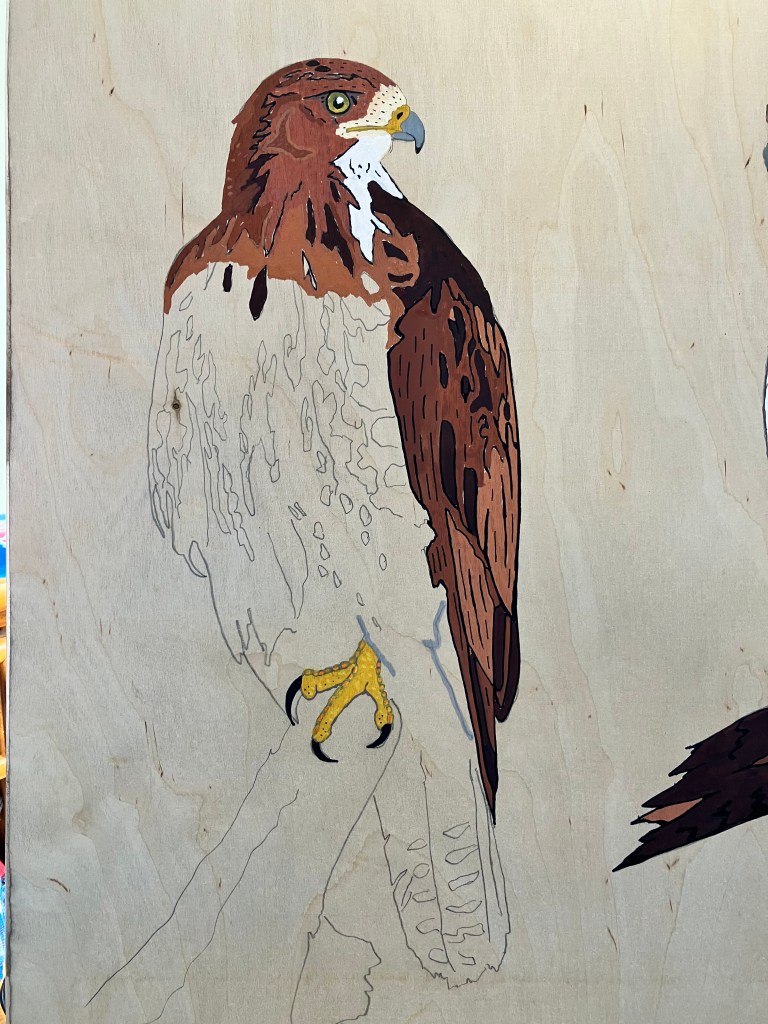
After finishing the Cooper’s hawk panel I wanted to put together something similar for the Red-tailed Hawk. 

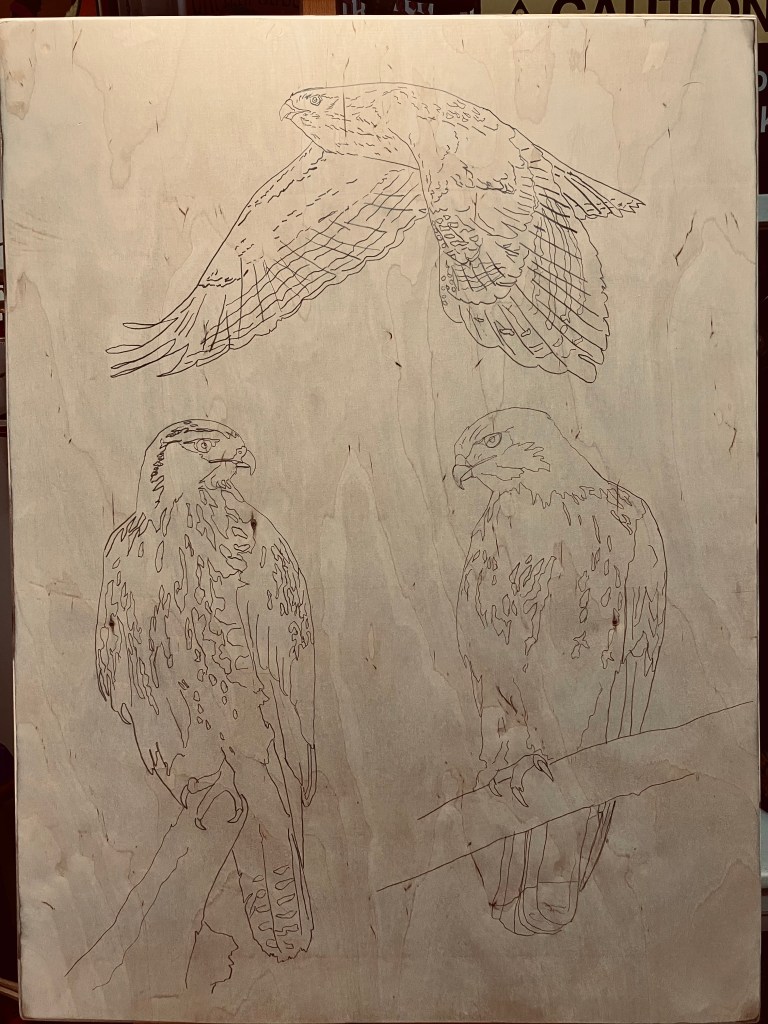
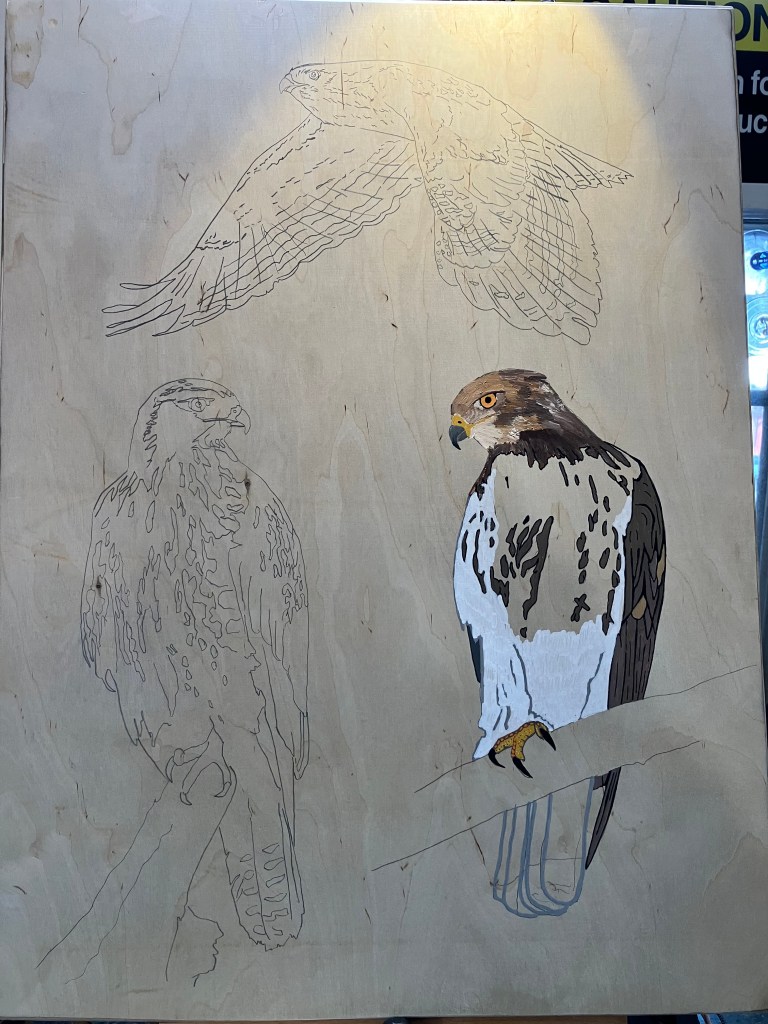
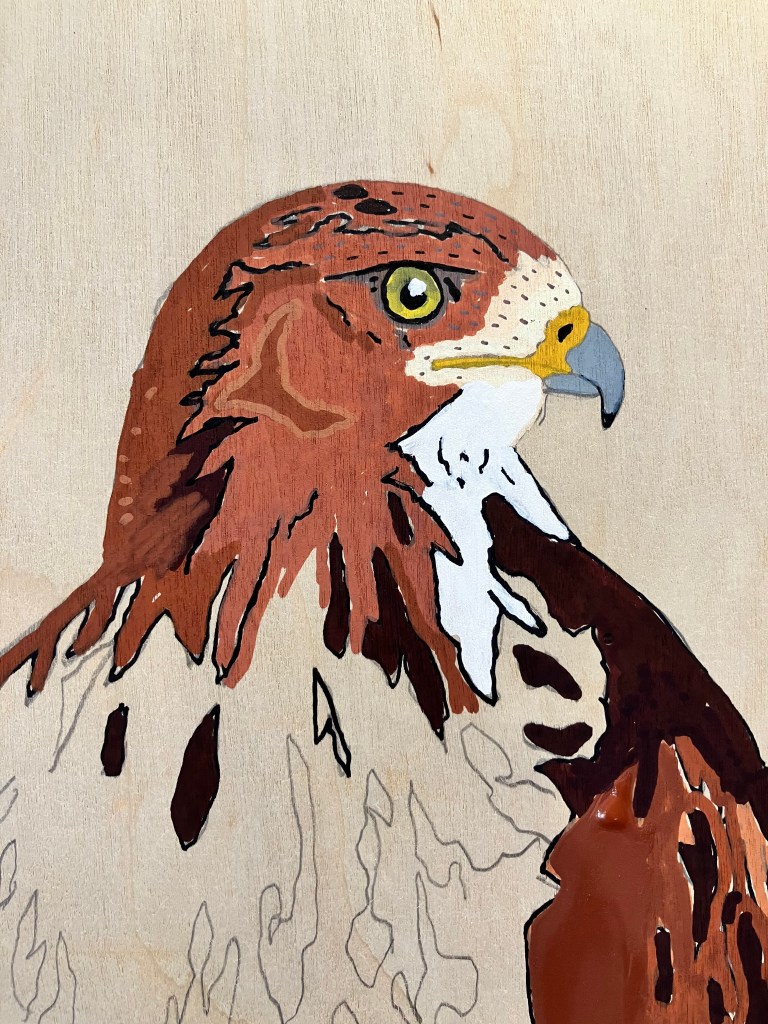
Using pencil, acrylic paint and acrylic paint markers. I made this panel from scraps I picked up at various construction sites from my work. 

The composition was inspired by wildlife illustrations found in field guides from the 1970s and early 1980s. 

Thank you for looking at birds with me.

Cooper’s hawk. Astur cooperii.

One of my favorite North American birds of prey to watch or illustrate due to their tenacity and ferocity while hunting.  

A Cooper’s Hawk catches small and medium size birds with its feet and kills it by repeated squeezing. Cooper’s Hawks hold their catch away from the body until it dies. They’ve even been documented drowning their prey, holding it underwater until it stops moving.

This bird was recently reclassified from the Accipiter genus to Astur. Grouped with the American Goshawk (Astur atricapillus). This was all brought to be from new genetic research and published last year. 

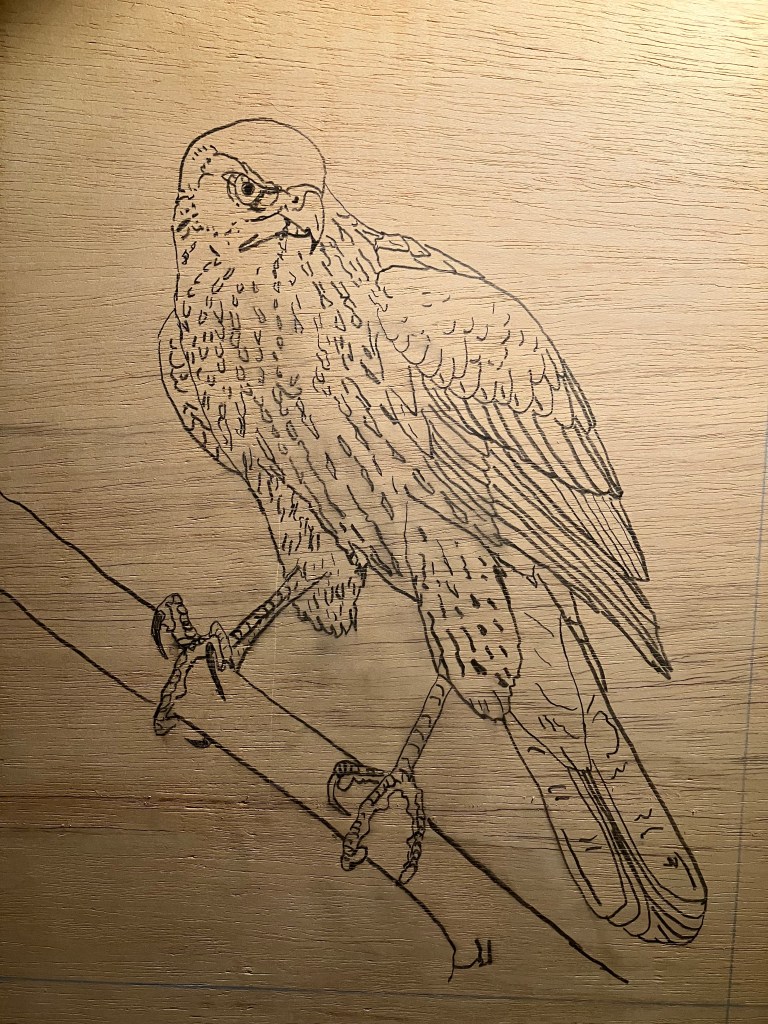
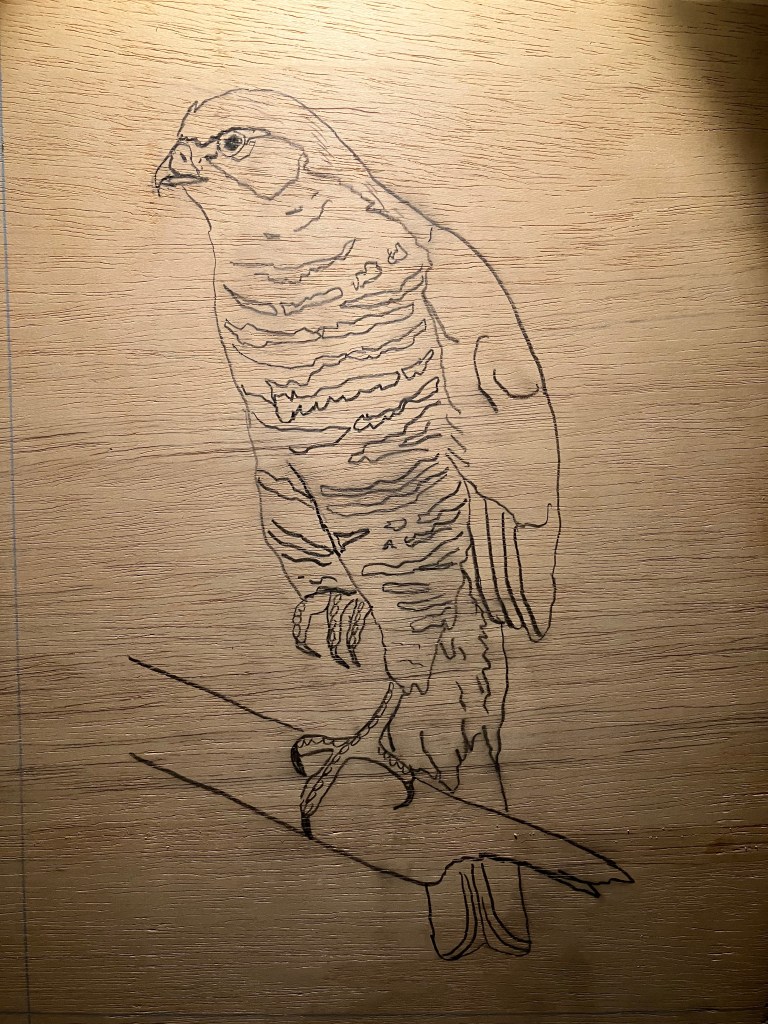
I hand built this panel in my garage and arranged the composition using pencil and acrylic paint and also acrylic paint markers.

Thank you for looking at birds with me.

Raptors of the World: Ornate Hawk-Eagle

Spizaetus ornatus

A medium size eagle found in tropical forests of Central and South America.  Aptly named for its unique coloration and head crest of black feathers.

Prefers to hunt from a perch or high glide in thick tropical forests. The dinner menu for Spizaetus ornatus is a variety of small mammals, birds, and reptiles.

ornate haekeagle processB2

My favorite raptor of South America (There’s some solid competition there too).  I’ve made a few paintings of this one before but until now I feel I hadn’t captured its nuances. Then again having never been on the same continent as one, it’s hard to say. Thank you so much for looking at birds with me.

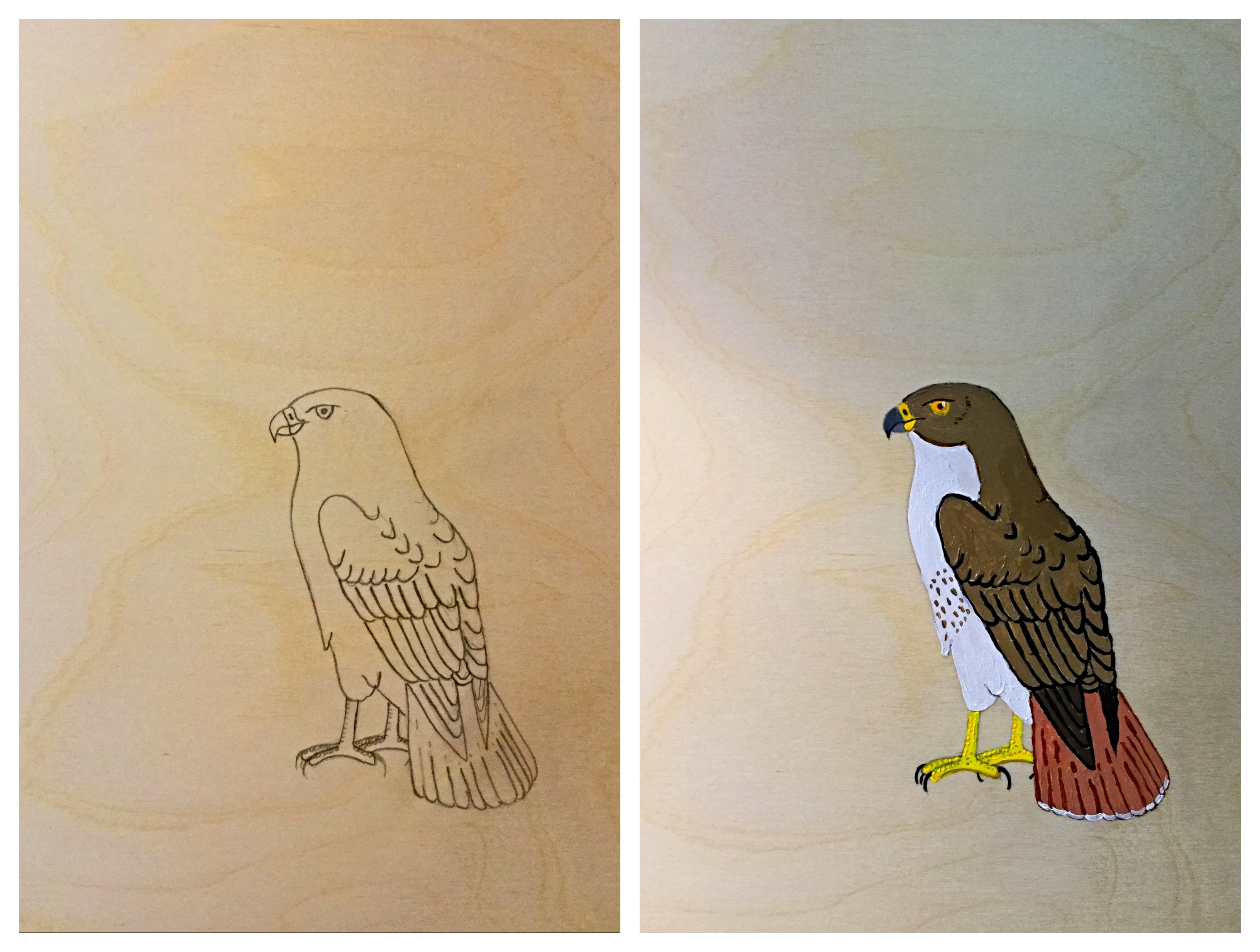
Hawks of the World: Red-tailed Hawk

Buteo jamaicensis.

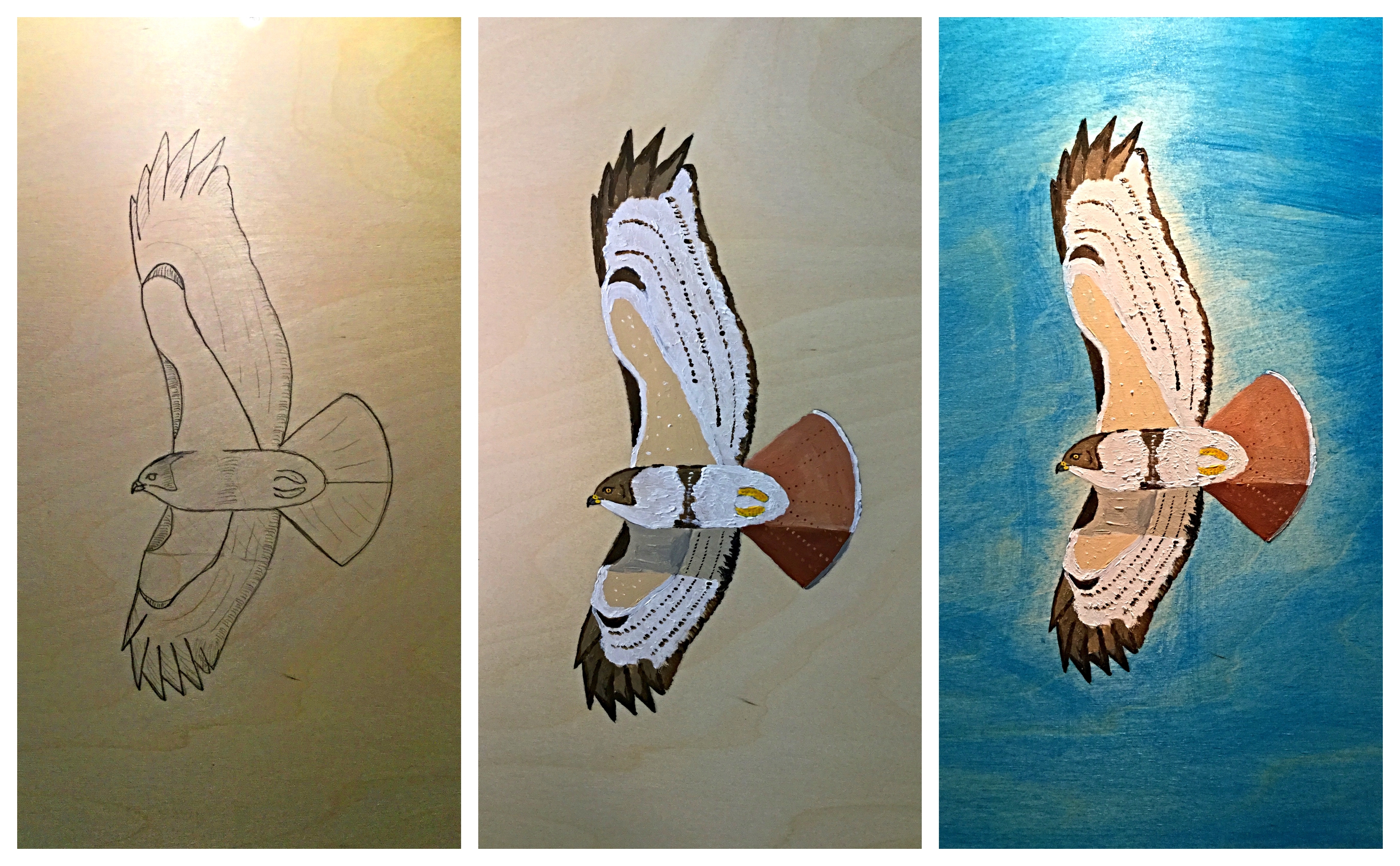
North America’s most widespread raptor. Found in open regions of Mexico all the way north to Alaska and just about every point between. They prefer grasslands, fields, deserts, roadsides, parks, farmland, and broken forests. They feed primarily on small mammals, birds, reptiles, and swarming insects. They hunt from a perch like utility poles and trees. They also hunt on the wing, soaring in circles, gliding on thermals.  These hawks mate for life, nesting in treetops, cliff sides, and man made structures. They lay a clutch of between 1 and 5 eggs. Incubation time varies from 28-35 days.

rtha flight panel process

rtha panel paired 999

It’s no secret this is my favorite bird to study. In the field or in the studio they never fail to capture my imagination. They embody a sense of exploration and beauty to me. They were a common sight in my 20s when I was exploring California by bicycle and have remained a common sight as I enjoy my home near the prairie remnants of Illinois.

I put together these two paintings over the last couple weeks on panels my father made for me in his workshop. I can’t begin to express what a great gift it is to be able to paint on a panel he made, and to have his generous support all my life.

I’m so glad I get to share these birds and art with you all, thank you so much for looking at birds with me.

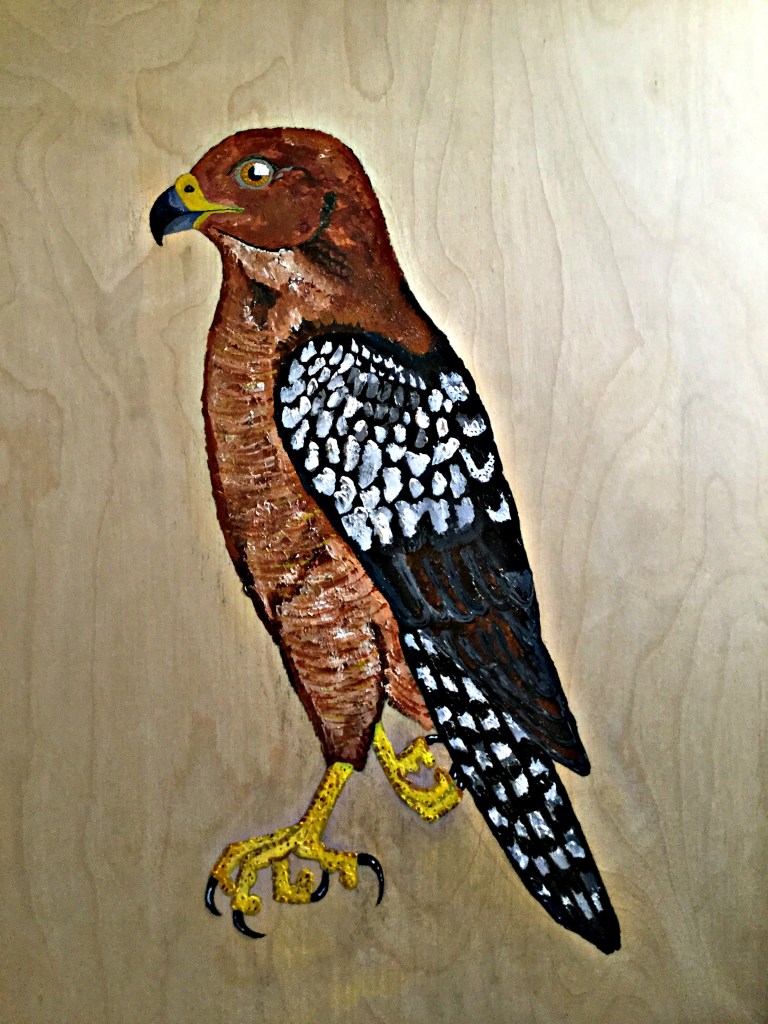
Hawks of the World: Red Shouldered Hawk

Buteo lineatus.

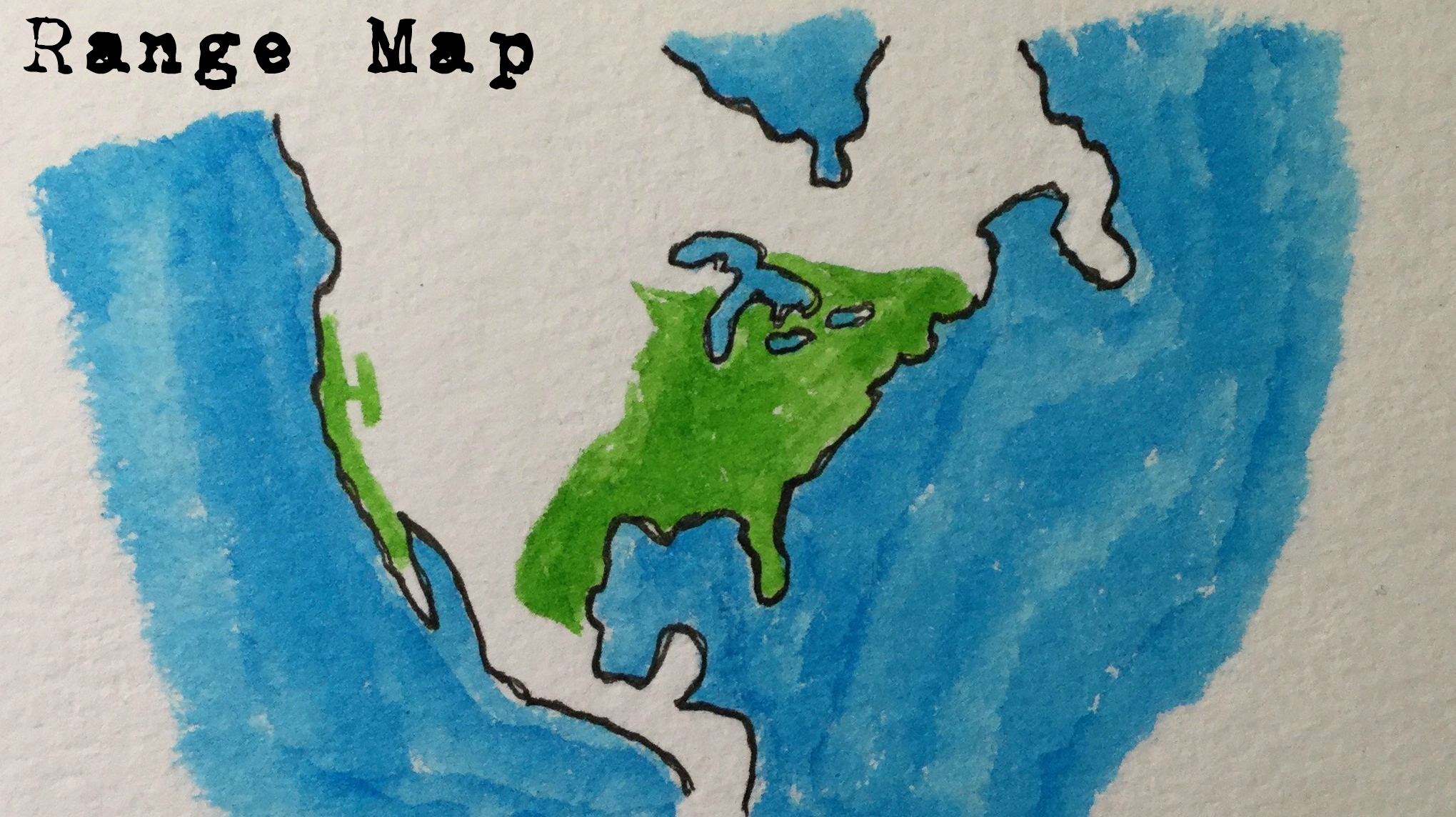
Definitely one of my favorite birds to watch and paint. Found across eastern North America and along the California coast south into Mexico. Hunting from a perch and on the wing. They take a variety of prey, ranging from small mammals, birds, insects, snakes and occasionally fish.  Found in forested and open areas. Nests are built of branches in treetops at 35-50 feet up. They lay usually 3 eggs per clutch.

red shouldered hawks

RSHA map

Thanks a bunch for looking at birds with me. We covered this bird already here something like three years ago and I felt it was time to have another go at painting this bird as I’ve learned a lot since the last time. I’m glad I did, this was very fun to put together.

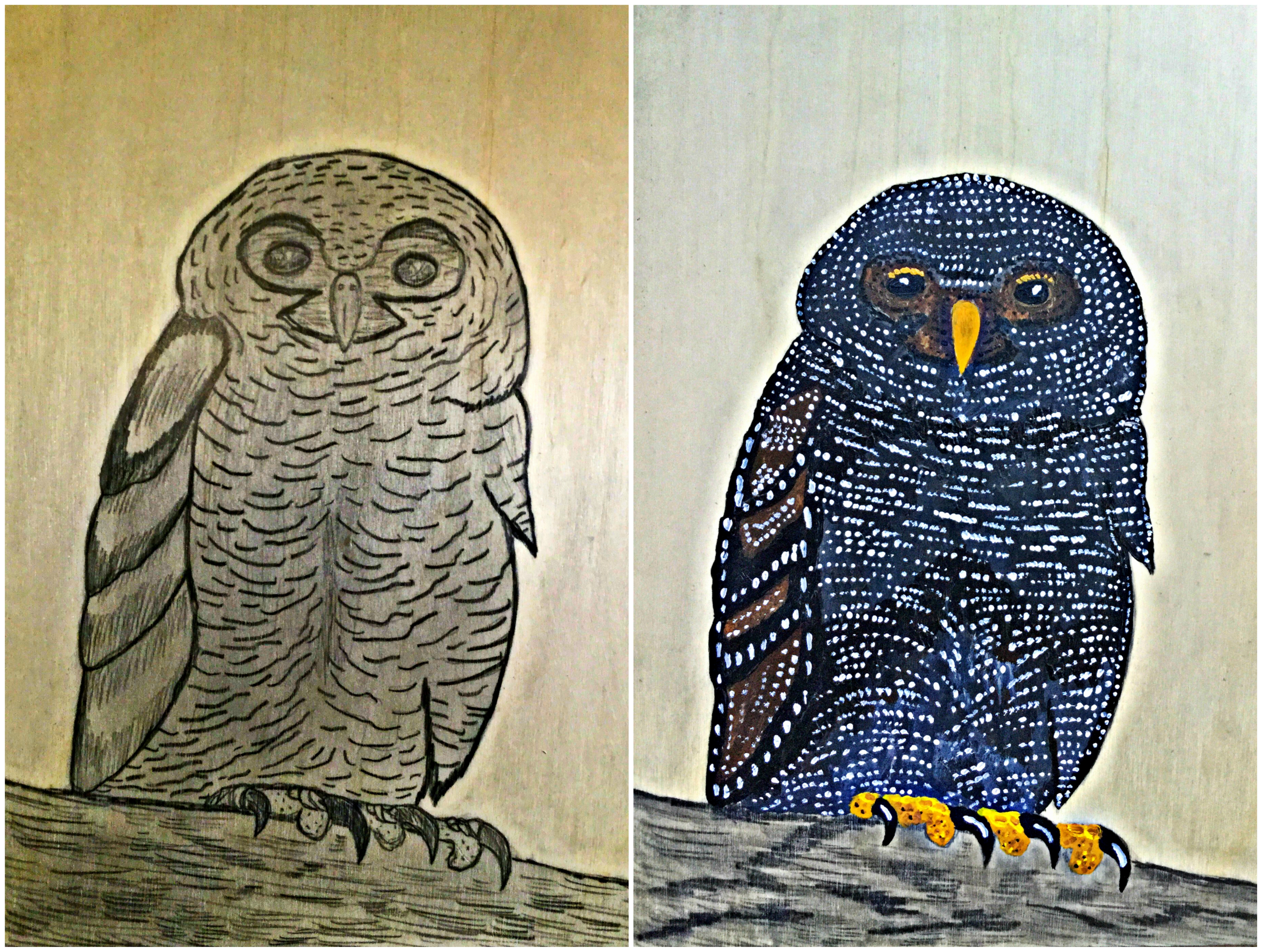
Owls of the World: Black-banded Owl

Here’s a Black-banded Owl, Strix huhula.

These owls have an extensive range in northern and central South America. Preferring tropical and subtropical forests. Also found in banana and coffee plantations. They feed at night primarily on insects such as mantises, beetles, and locusts that it catches in flight. Little is known of breeding and nesting habits. They grow to be 12-14 inches tall with a wing span of 16 inches.

Black-banded pair

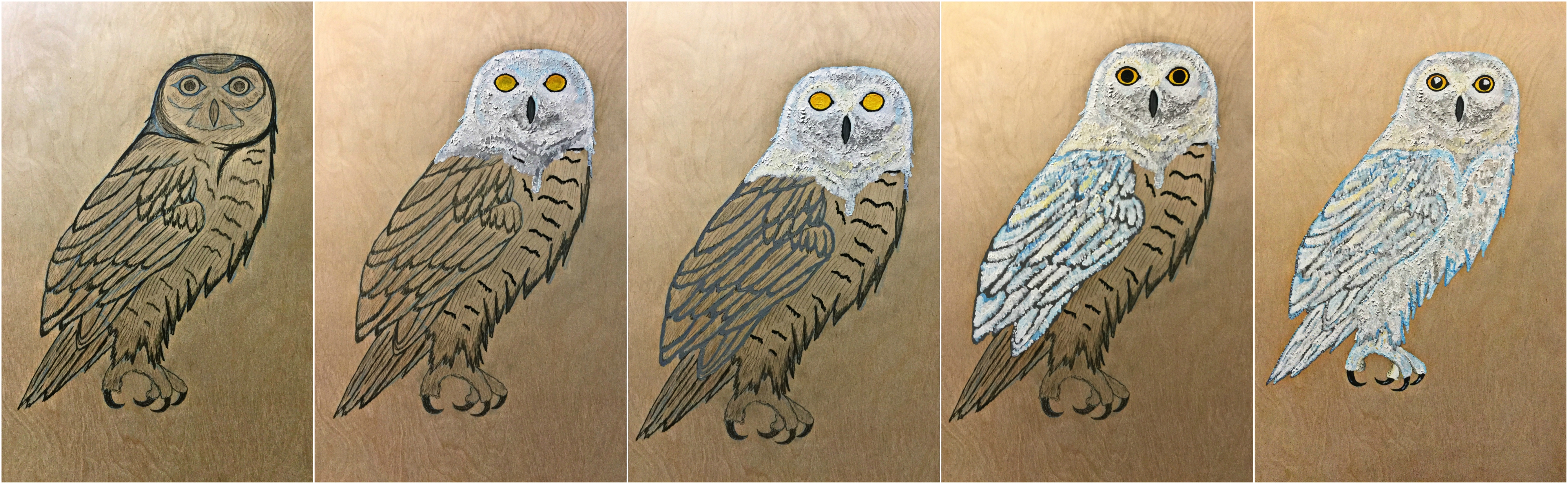
Owls of the World: Snowy Owl

Bubo scandiacus.

One of the easiest to identify owls of the world. Found in the northernmost regions of the planet. The Snowy Owl is truly a unique owl, in its plumage and hunting habits.

Largely diurnal, it does most of its hunting by day. Taking small mammals, mostly lemmings, but also ptarmigans, rabbits, and mice. One snowy owl can take as many as 1,600 lemmings per year.
They hunt from a perch and pursue prey, capturing them with their massive talons. They can also locate prey by ear, even through thick grass and snow.

They lay 3-11 eggs depending on availability of food and have been known to be extremely defensive of their nests. Fighting off wolves and any other predators.
snowy-all
This owl has been on my to-do list for years. It wasn’t until this fall that I felt I had the technical skills to get it done like the others. I used yellows and blues to add some dynamic. This is likely my last owl that I’ll get done here in Oakland. My next few projects will be African raptors, and those will be coming to you from Chicago, Illinois.
I am forever grateful for the time I’ve been able to spend in Oakland, I underestimated its potential, but learned quickly of its heart, passion, and beauty.
I’m excited for the art and adventures to come in the city by the lake.
A heartfelt thank you to all my California friends who have encouraged me to reach this point, both as an artist and as a man.
Thanks for looking at birds with me again. Lots more to come.

Thank you,

Farnco

It was her again, but it was all right.

She promised me poetry on my grave.
Or at the very least, to try and behave.
 
And as she stood there in the rain she made good.
I write my own poetry on a piece of wood.
 
Time yet not for a bed of dirt.
her words only echo they do not hurt.
 
Sifting through these ashes I found the words,
Bringing to page the largest of birds.
 
In my noblest of efforts to think ahead of my pen.
My thoughts drift back to her again.

Sketchbook to ward off the rains

Because the hawks aren’t always in the meadow and the song birds seldom perch on my neighbor’s tree.
So I sit down to piece together my own birds of a feather from pencil, time, and pen.
And sometimes a lightning storm rolls through on a July afternoon. Cooling the air before the fireflies come out and I run to catch them.
If I was locked into a game of perpetual solitaire eye-spy. Then I’m just going to have to carry along a sketch pad to catch whatever falls near me.
It can be my umbrella.
peregrineonaclifffinalcolor.jpg

From waves of grain to the golden coast.

I used to pretend I could find my way home by the moss on the trees, or the leaves of the compass plant in the prairie. That was my Illinois. A grassland spotted with rivers and forests. An existence on the verge of a great adventure.

But that was Illinois and this is California.

I don’t recognize many of the plants here, and I don’t know any wives tales about them. I can’t find any discernable moss on any part of a tree around here.

There are a lot of long nights of highway driving between where I write these words, and where I was born to do so. highway homesick blues.

Hearts and ideas going by like the tops of the telephone poles through the window while you lay on your back across the whole backseat while your friend drives.

Driving across the country I grew up in helped me fall in love with a whole planet.

To be embraced and cared for. Fragile like eggs in a backpack full of hatchets.

I’d heard it sung:

“Picture a bright blue ball,
Just spinnin’, spinnin, free.
Dizzy with the possibilities.”

Too look over my shoulder tonight at Illinois and all it taught me, It leaves me feeling blessed for this opportunity to try my hand at an age old craft, and with my time, give something to the world to help it see it’s own beauty tied into the thread of our life in Earth’s natural kingdom. And California seems a fine place, with great biodiversity…..and The Grateful Dead are from here so yeah.
redtailprogress2.jpg