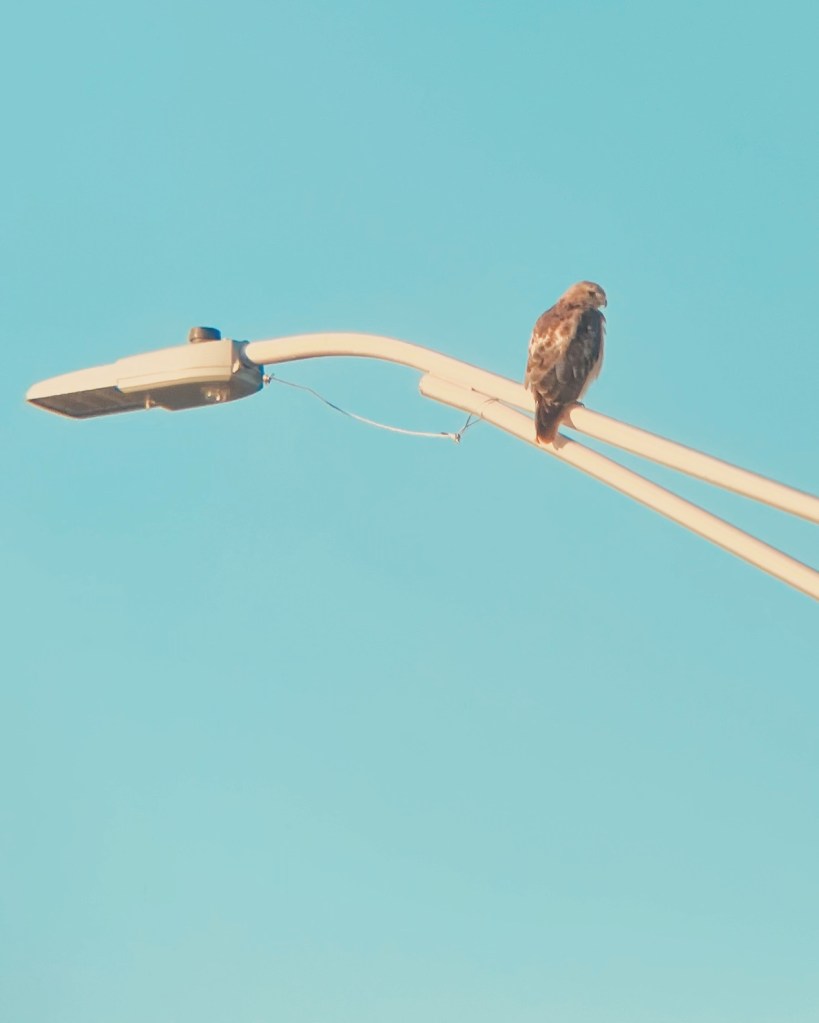
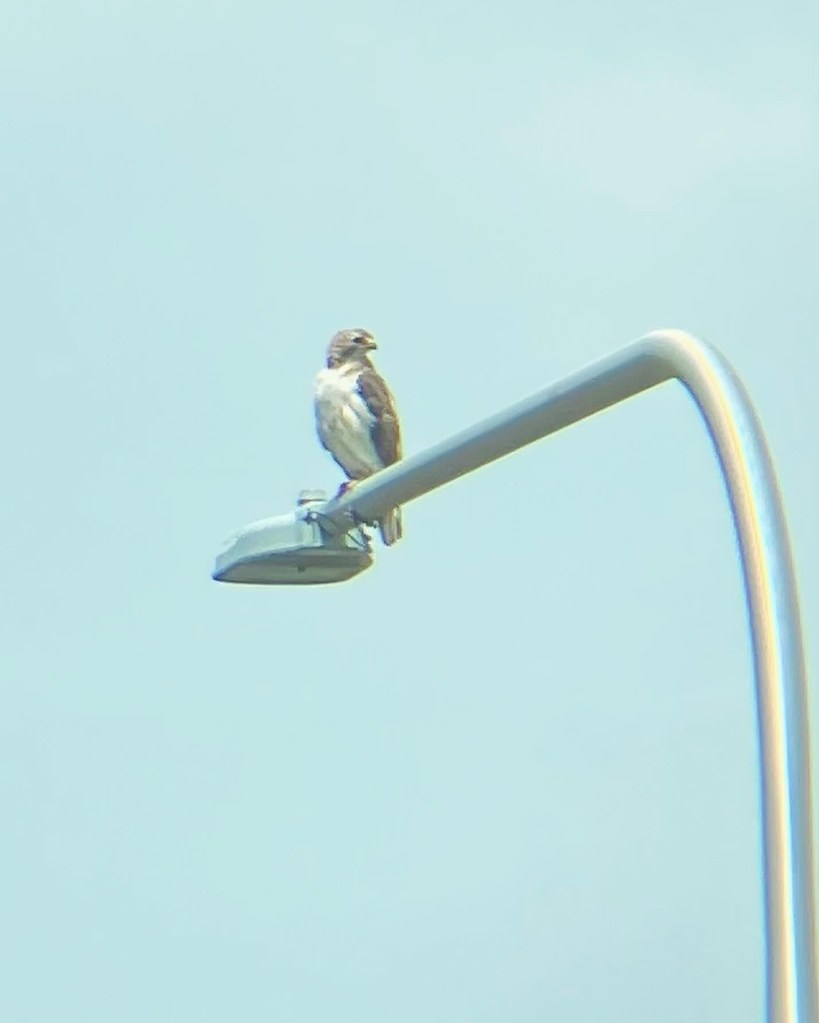
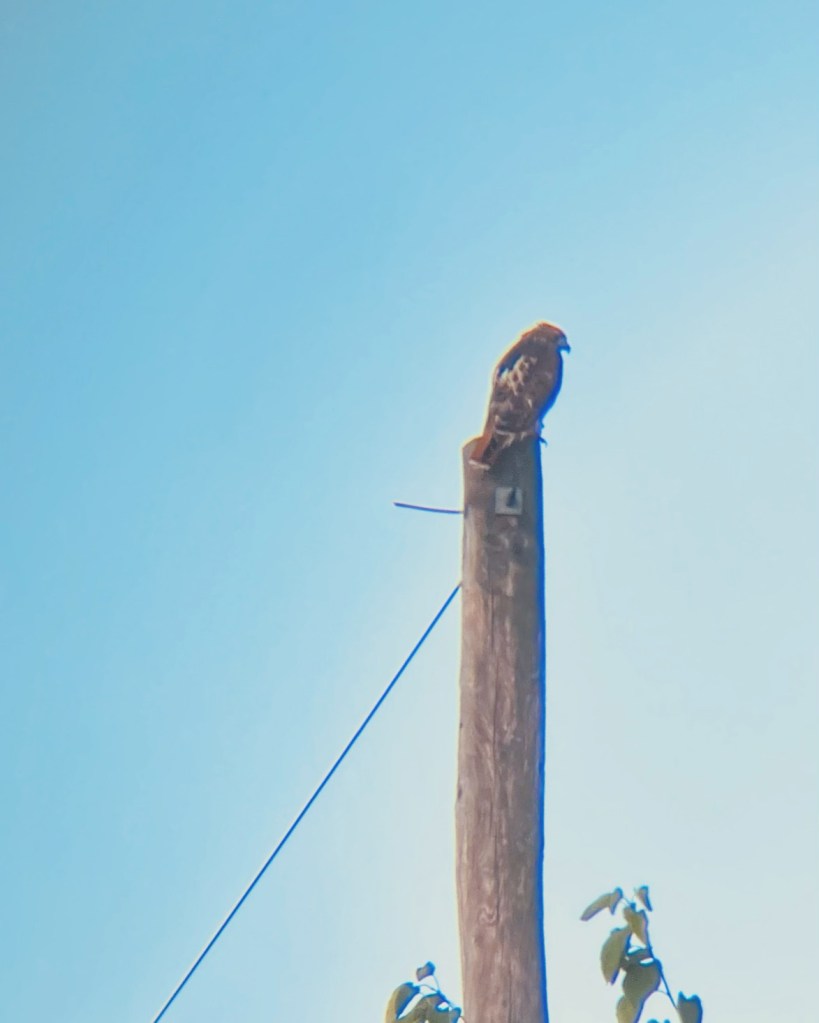
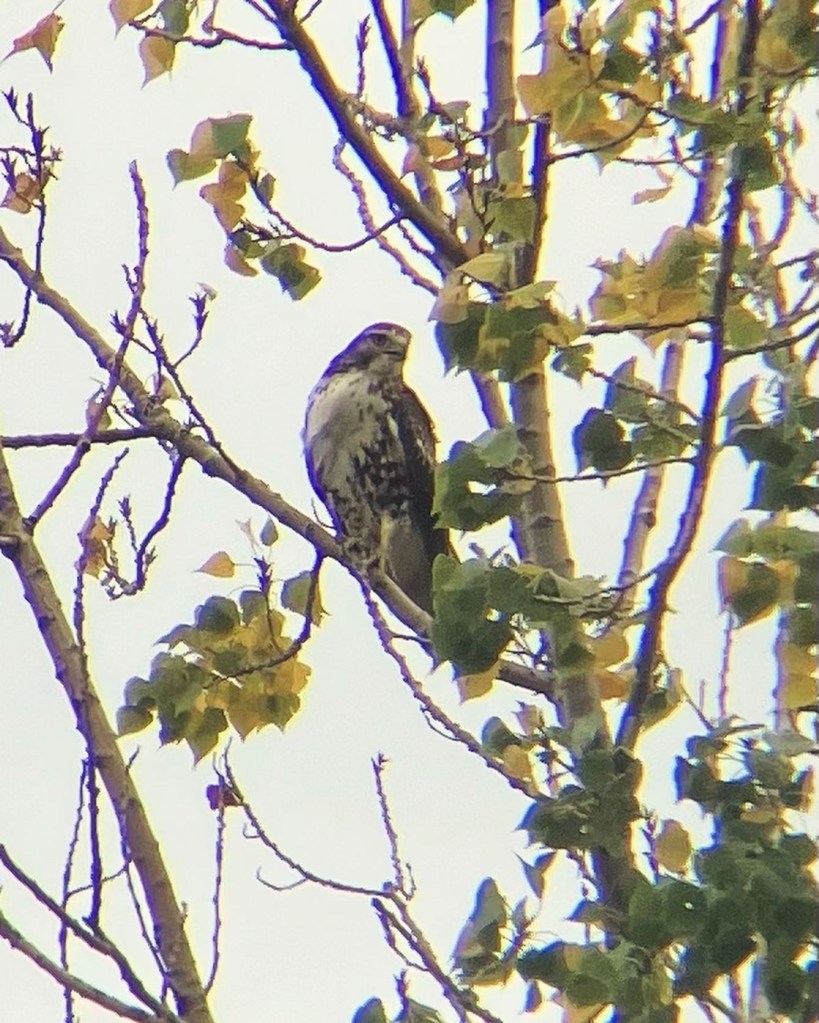
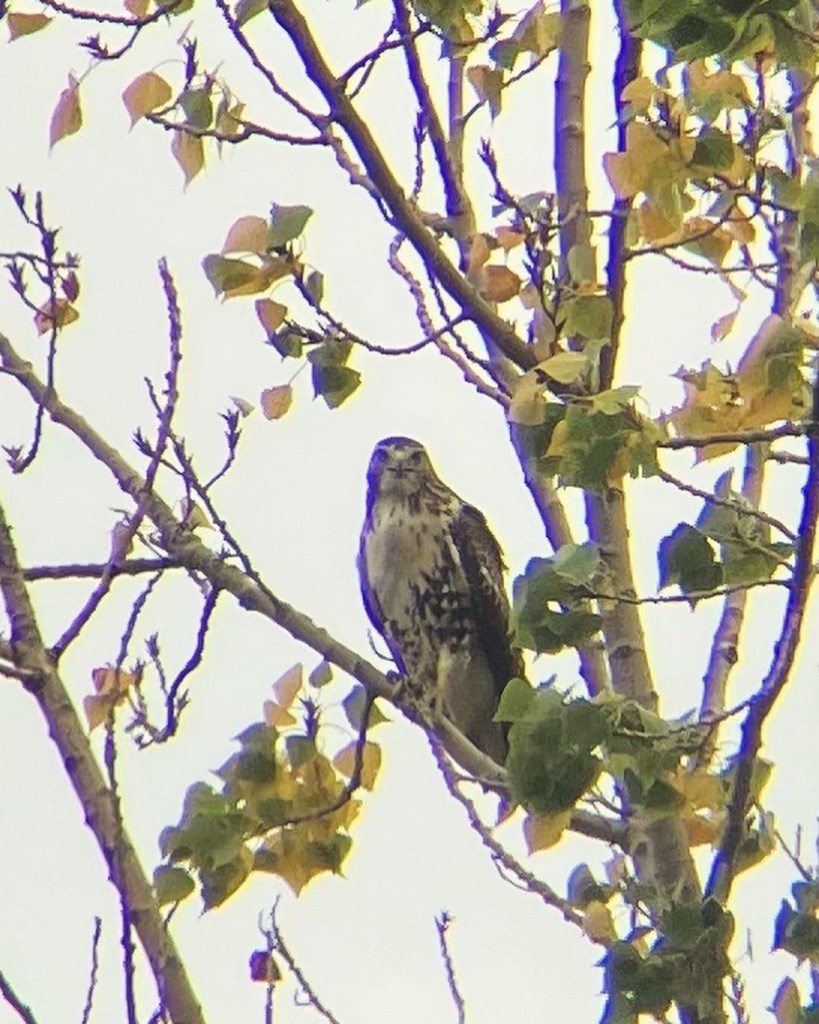
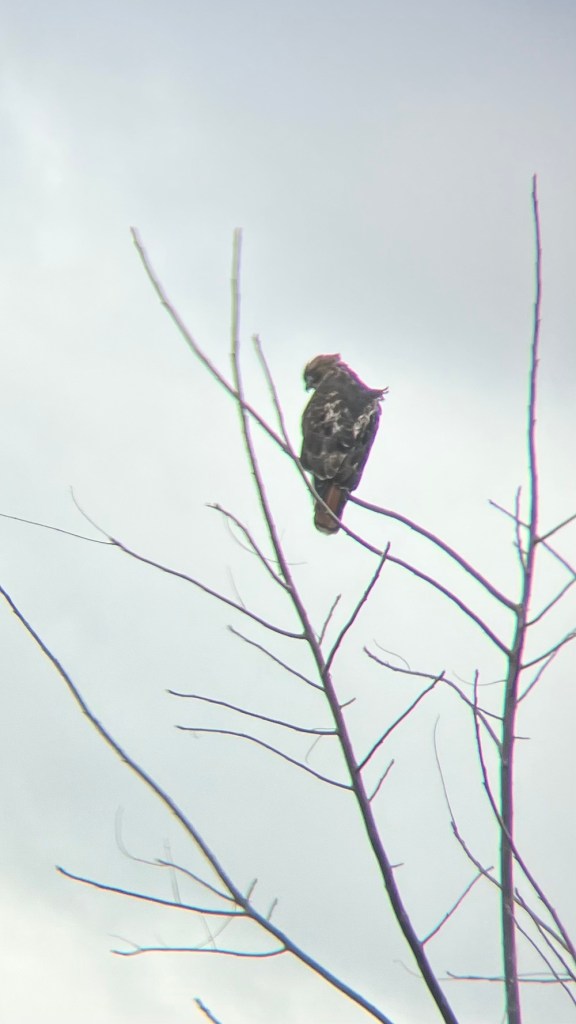
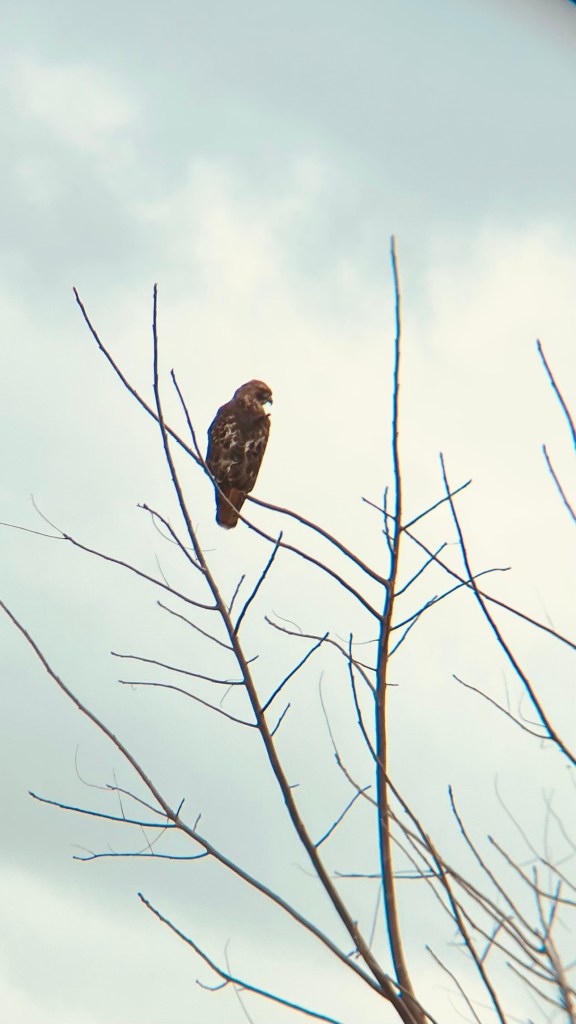
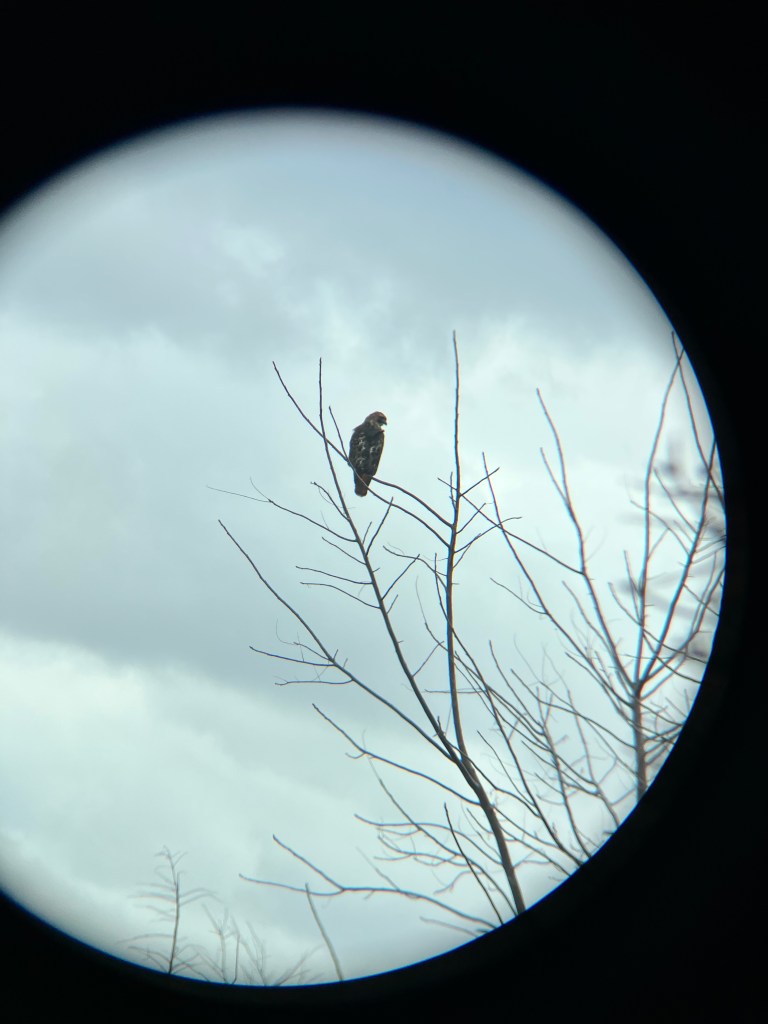
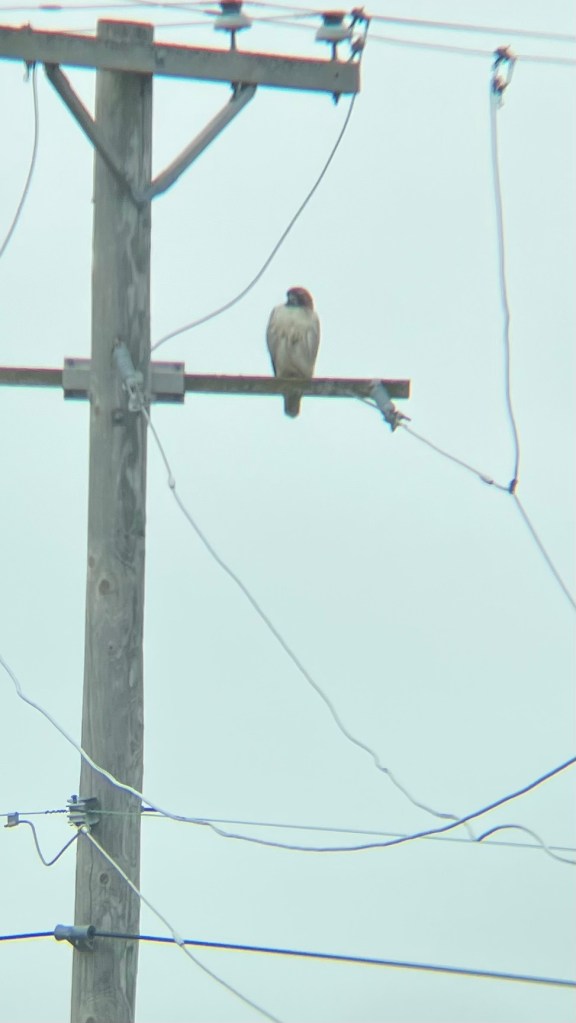
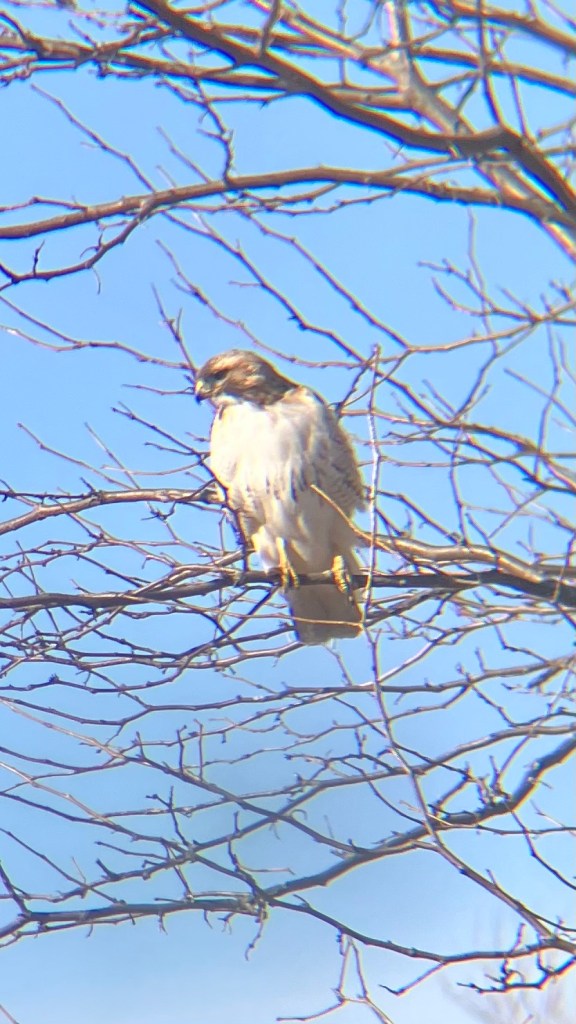
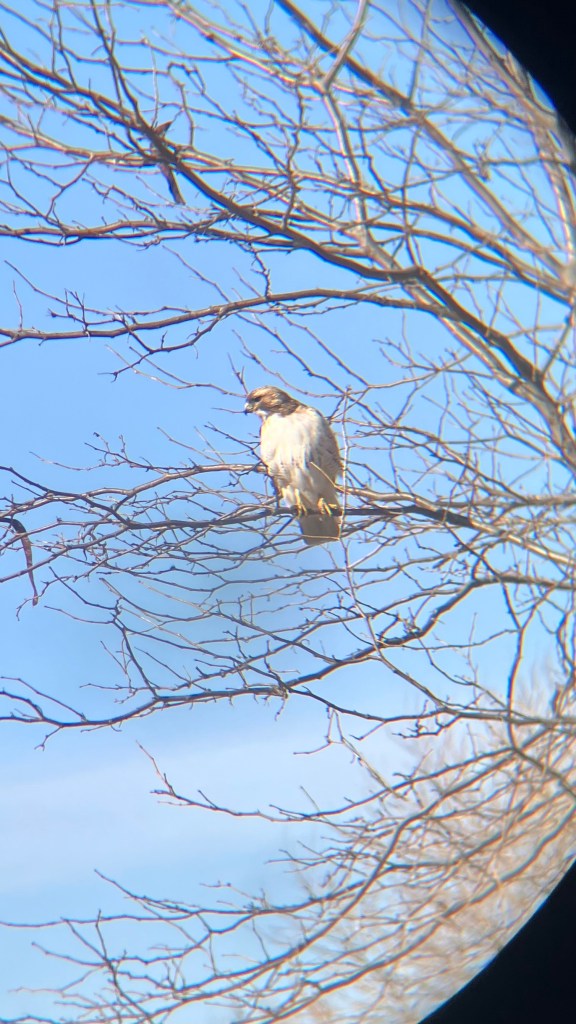
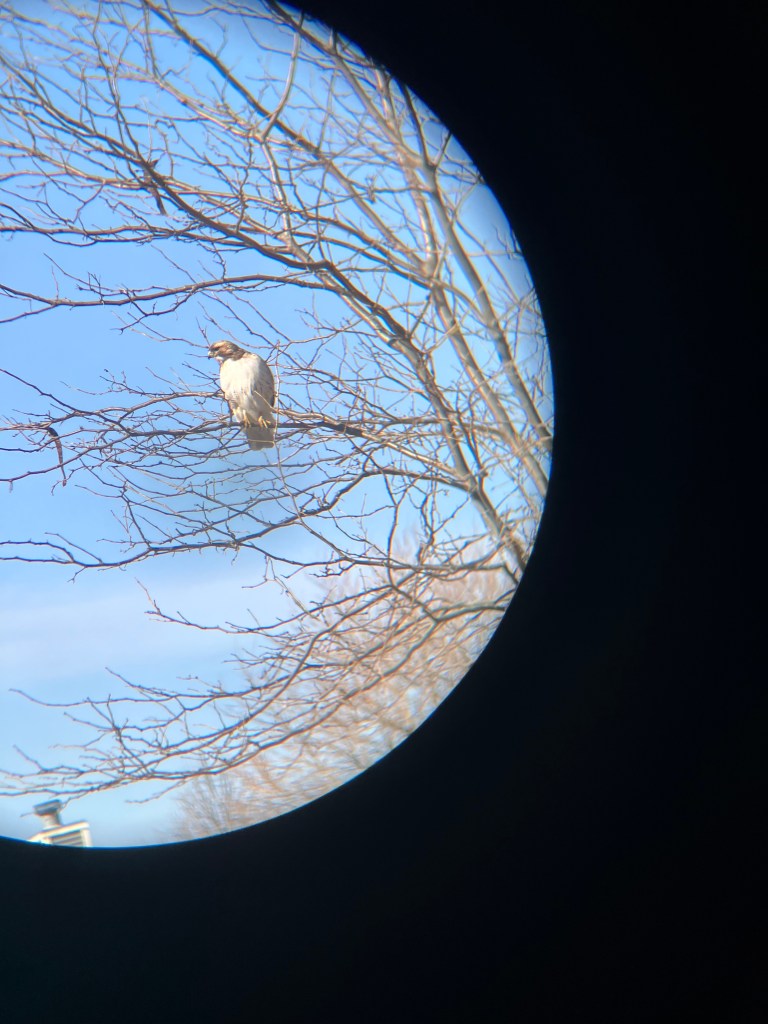
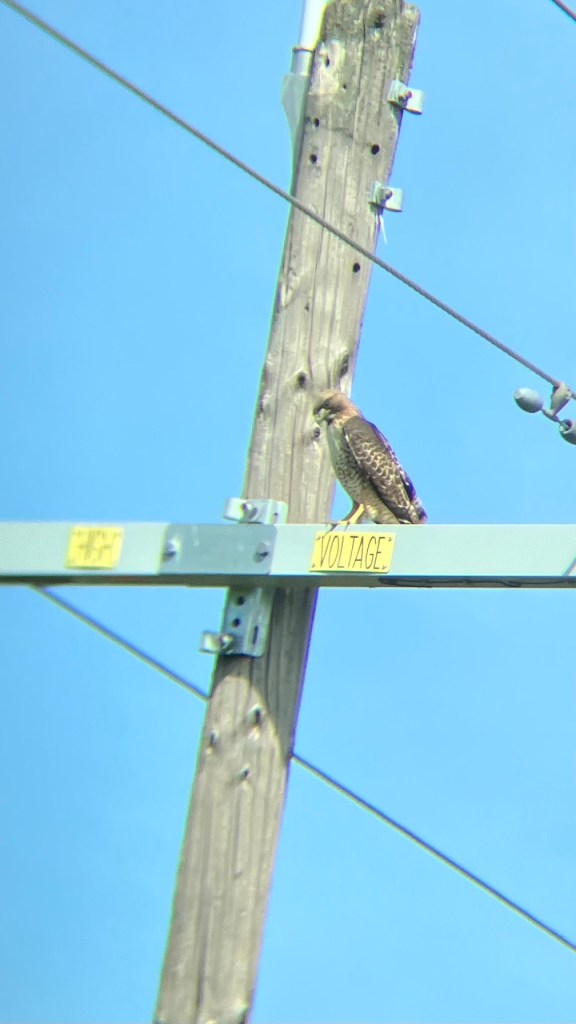
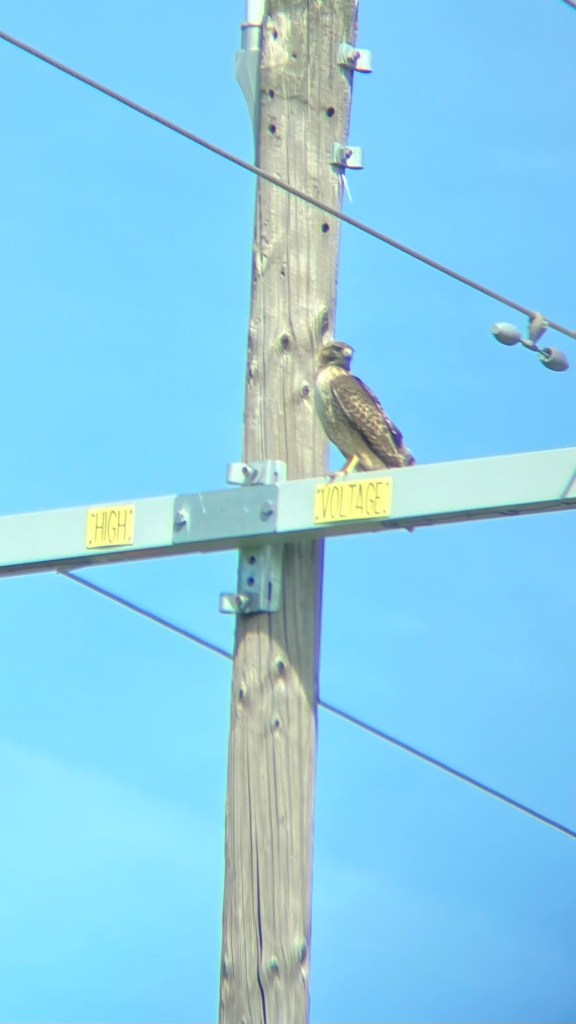
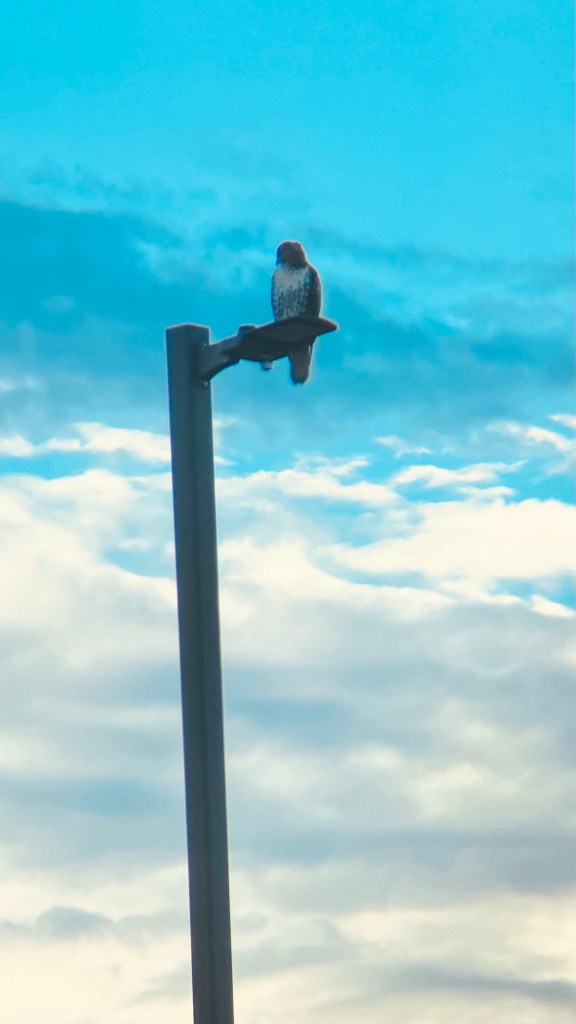
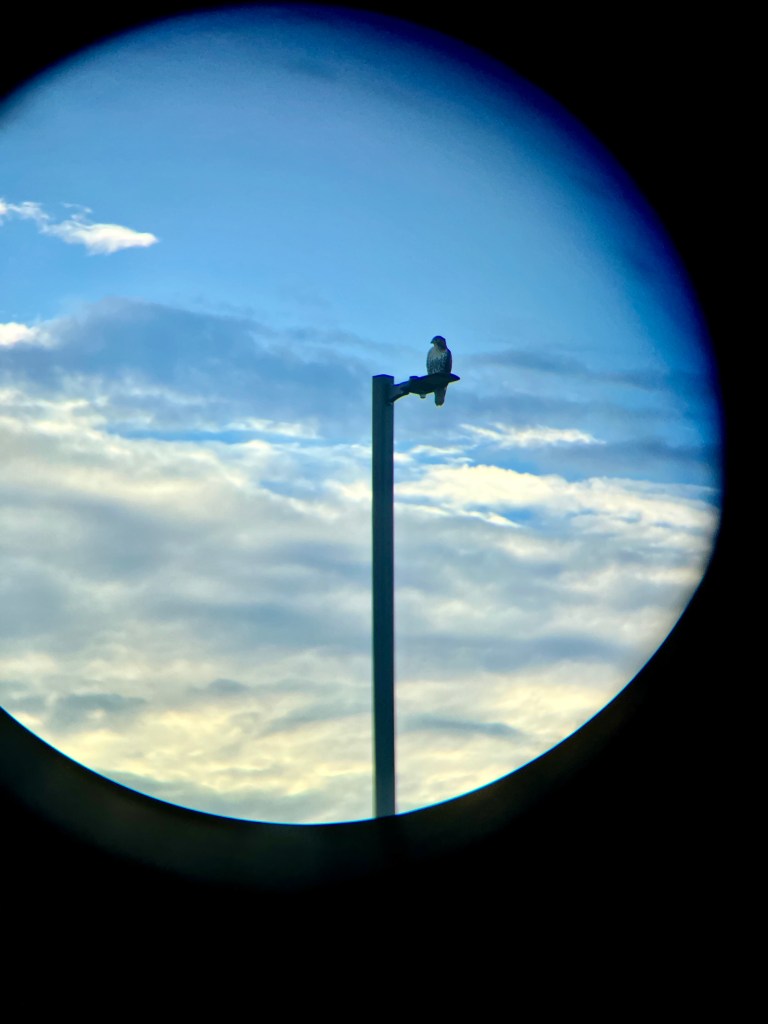
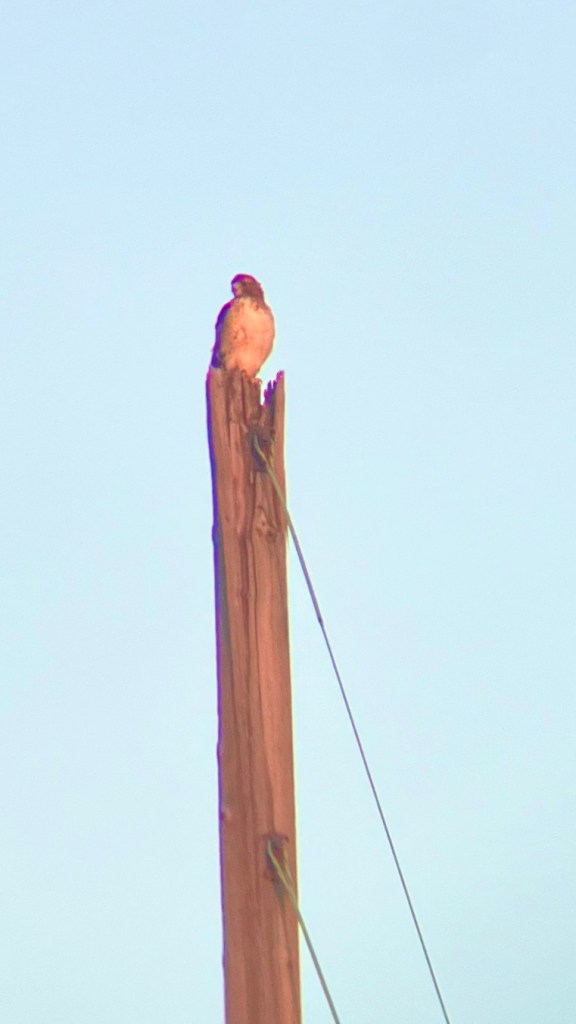
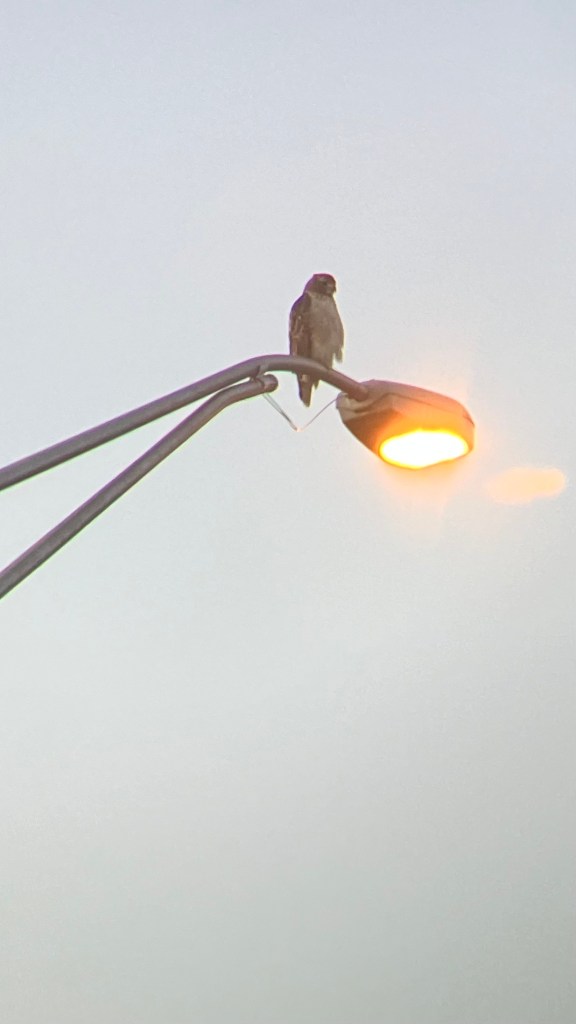
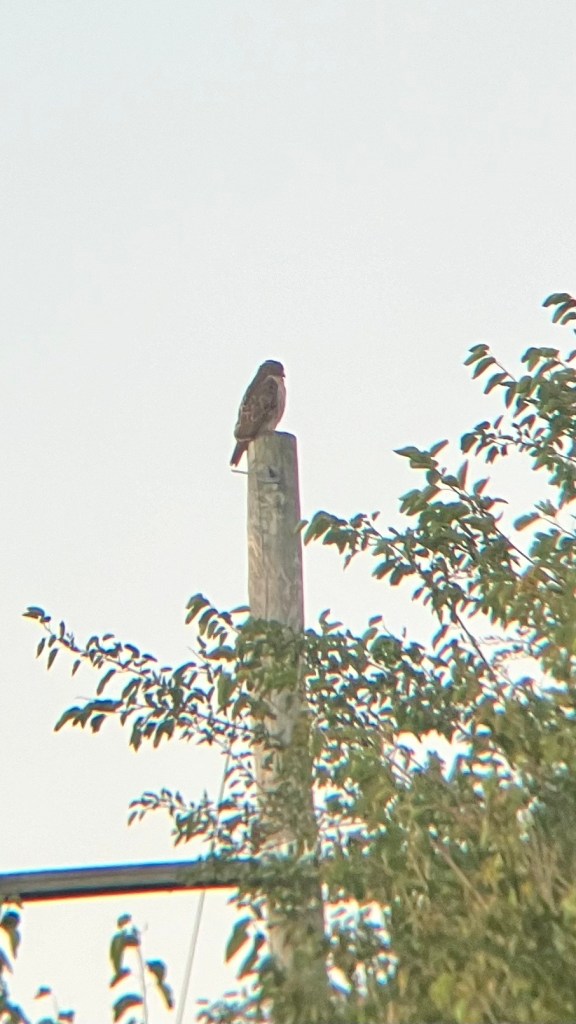
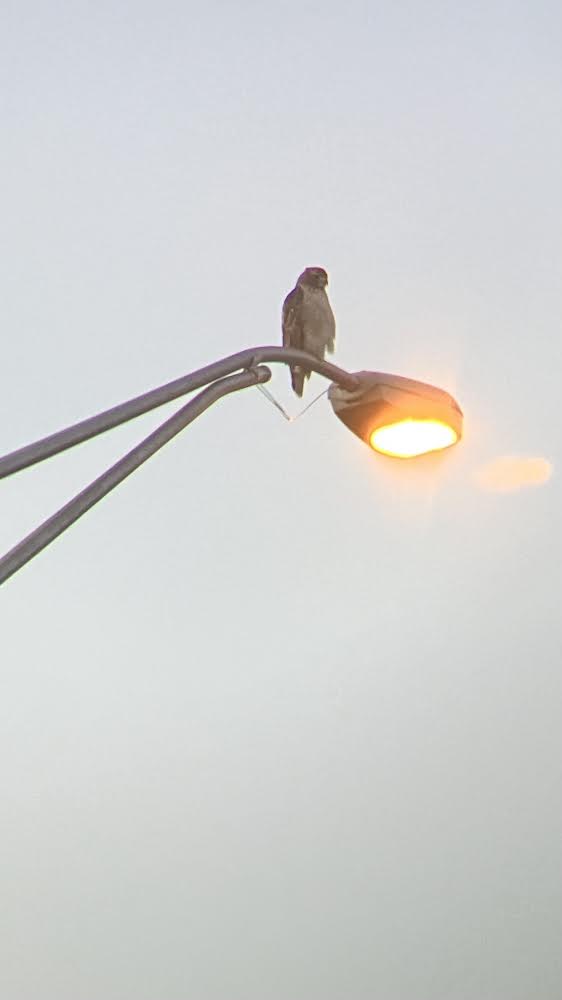
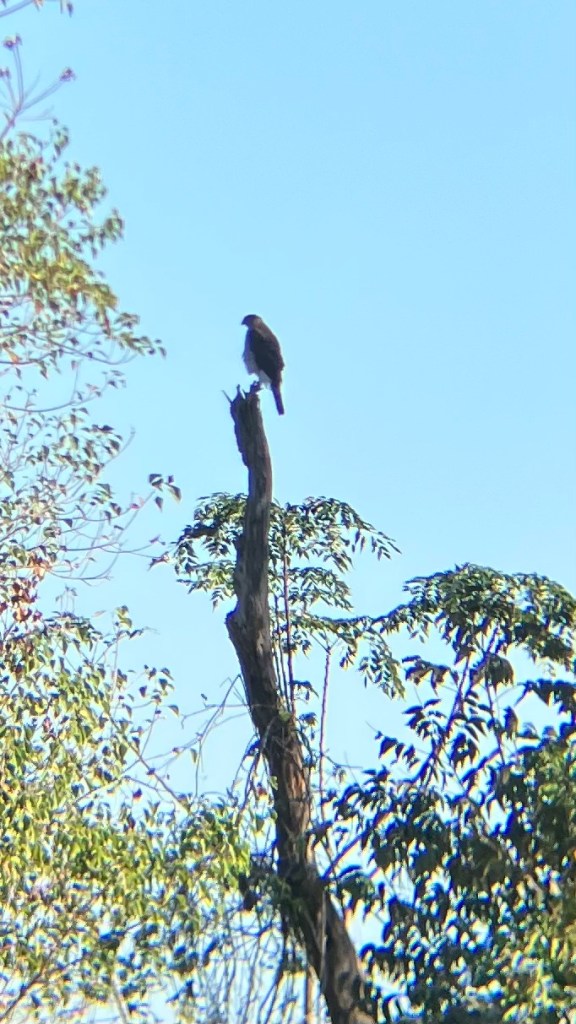
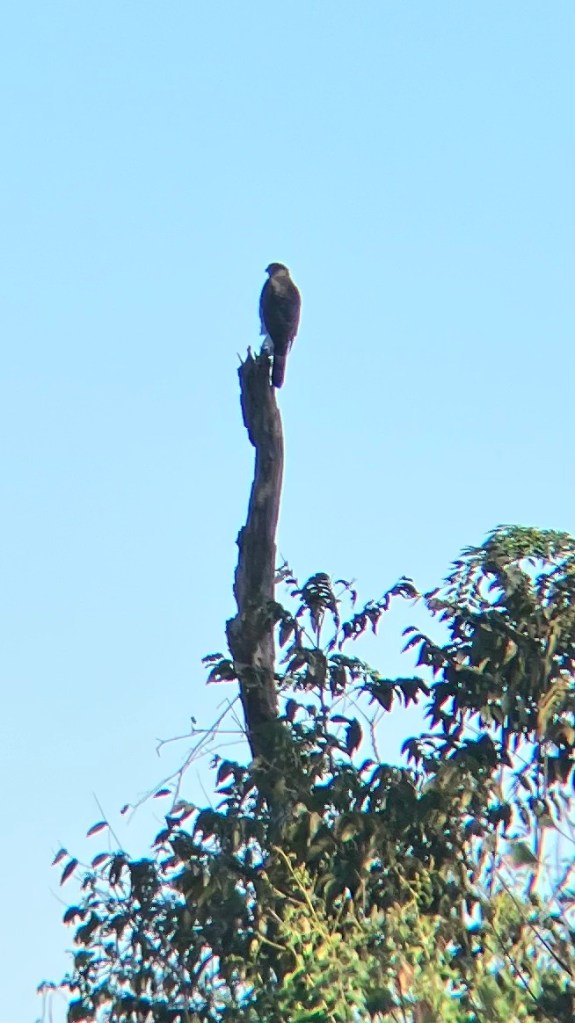
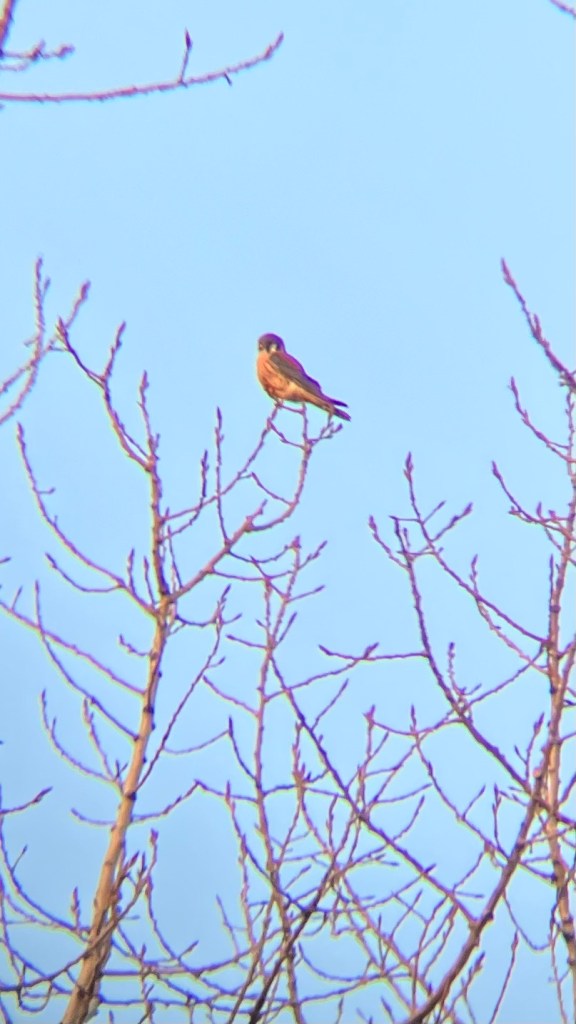
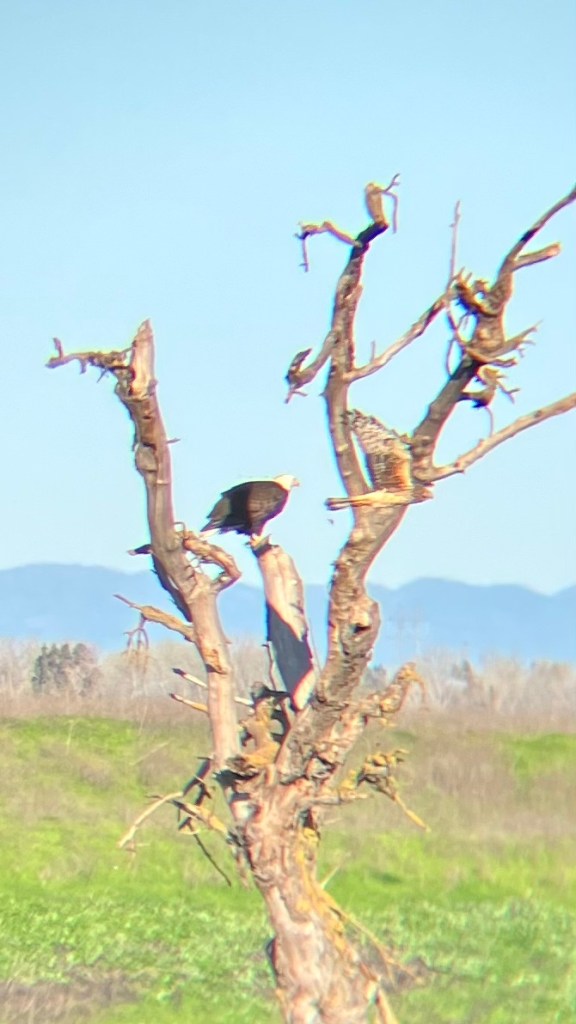
Raptor snapshots from the field.

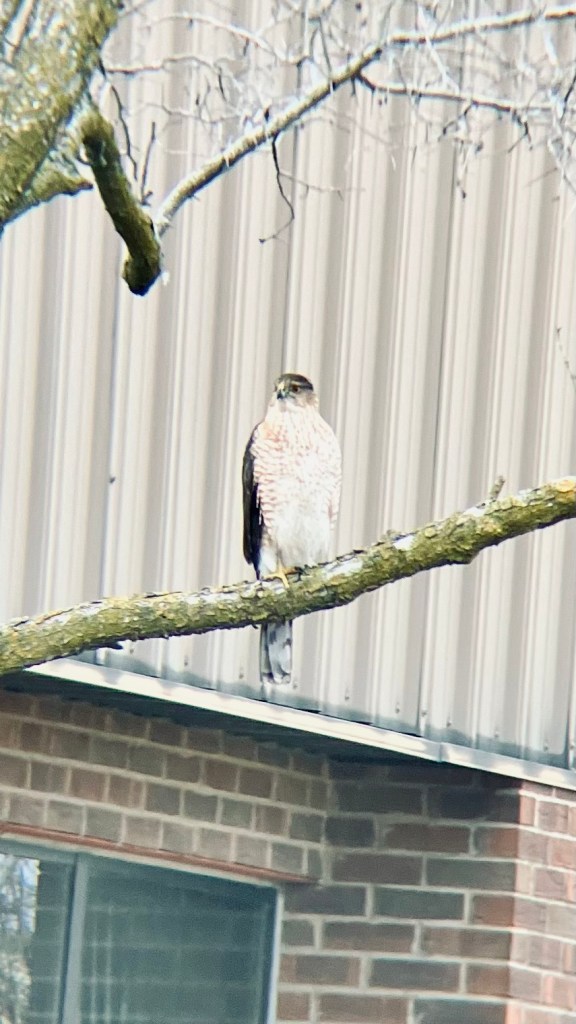
It has been a very great personal journey to learn to paint all the birds I’ve shared here. My journey began more than a decade ago here with learning to paint the Red-tailed Hawk. In the last year I’ve picked up a very basic spotting scope and have (with luck) been able to catch some reasonably decent photographs of those original favorite birds of mine. 

Here’s a series of photographs that I’ve taken in Illinois and California. 

And here’s a few of the Cooper’s hawks I’ve managed to snap a picture of in Illinois and South Carolina. 

And just a few other raptors I’ve spotted in Illinois and California. American kestrel, Bald Eagle, and Northern Harrier.

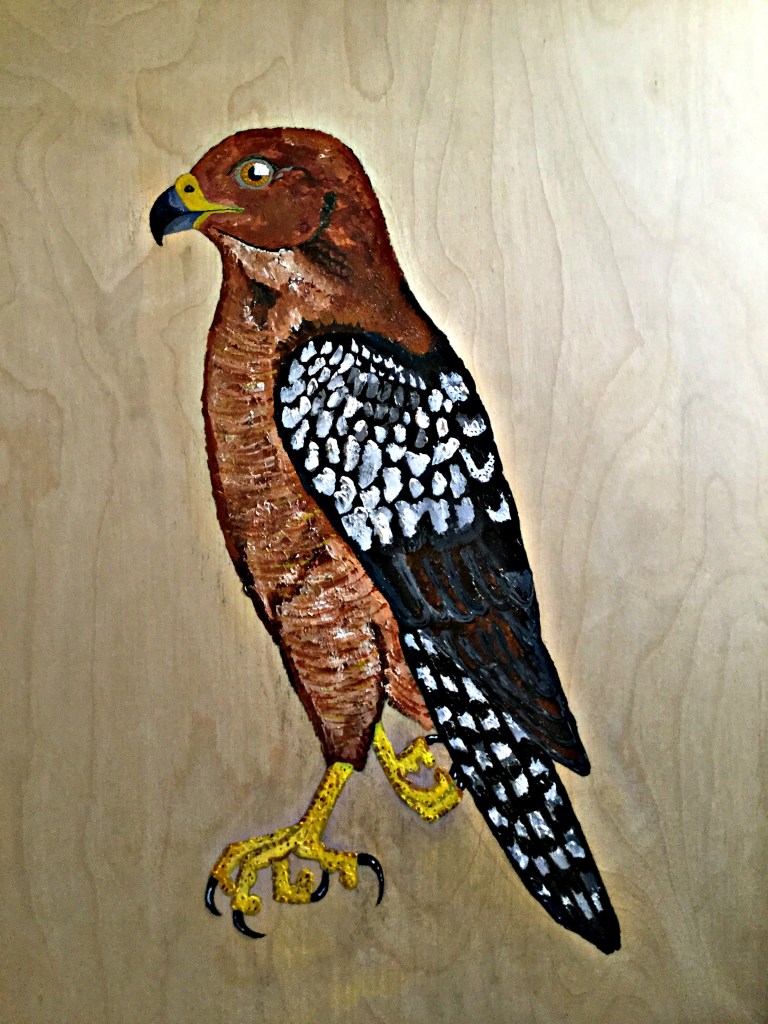
Hawks of the World: Red Shouldered Hawk

Buteo lineatus.

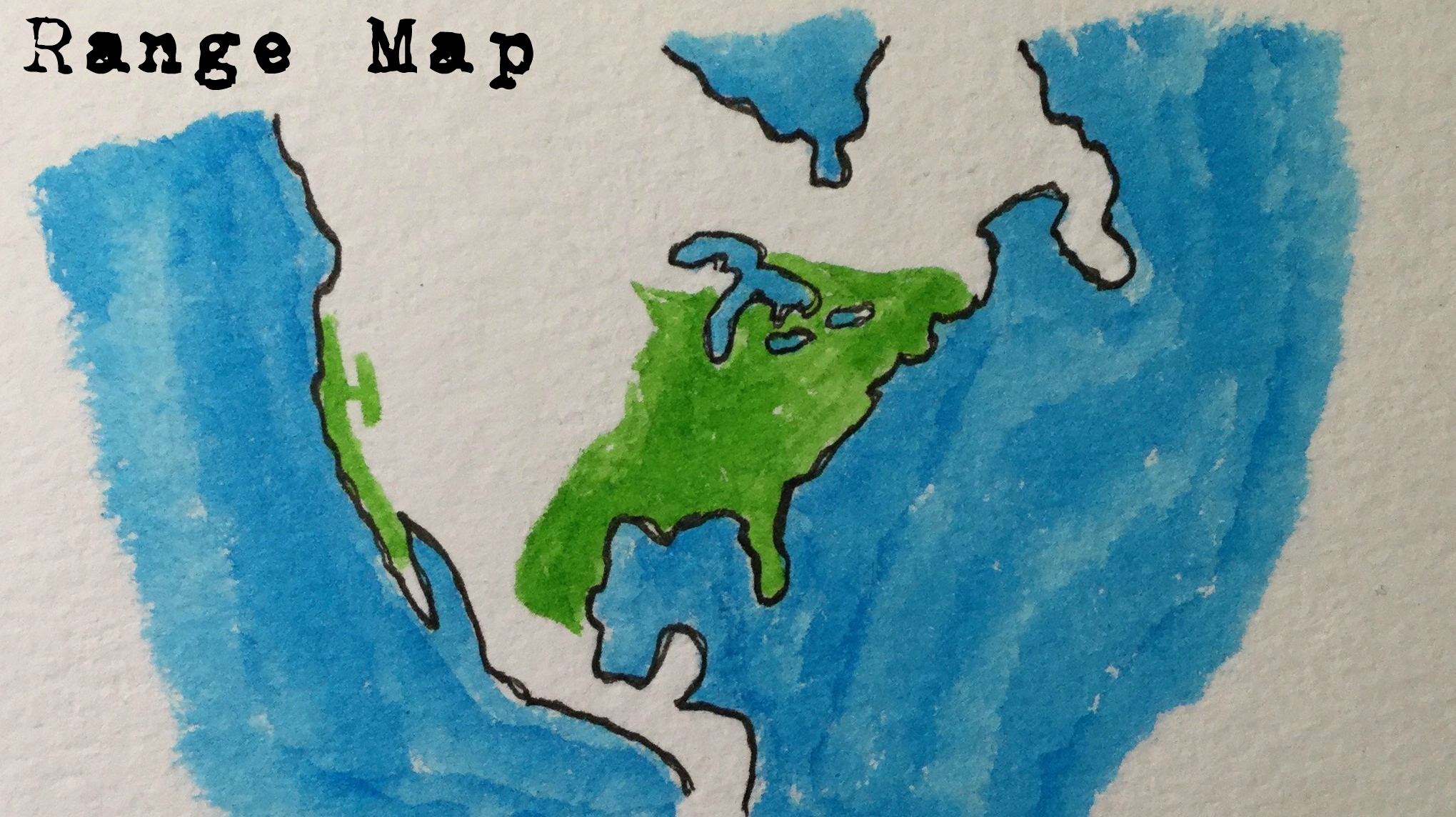
Definitely one of my favorite birds to watch and paint. Found across eastern North America and along the California coast south into Mexico. Hunting from a perch and on the wing. They take a variety of prey, ranging from small mammals, birds, insects, snakes and occasionally fish.  Found in forested and open areas. Nests are built of branches in treetops at 35-50 feet up. They lay usually 3 eggs per clutch.

red shouldered hawks

RSHA map

Thanks a bunch for looking at birds with me. We covered this bird already here something like three years ago and I felt it was time to have another go at painting this bird as I’ve learned a lot since the last time. I’m glad I did, this was very fun to put together.

Owls of the World: Black-banded Owl

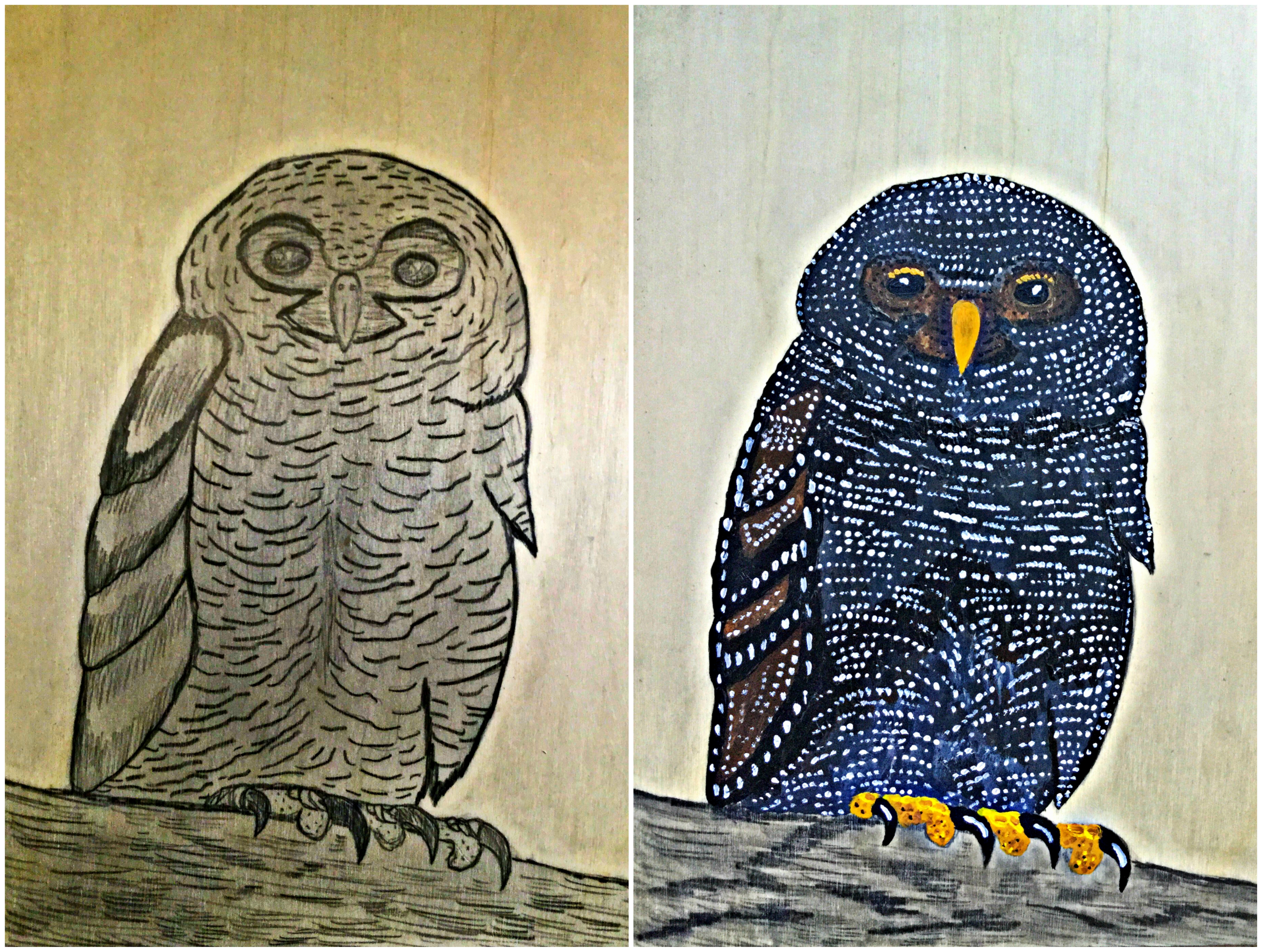
Here’s a Black-banded Owl, Strix huhula.

These owls have an extensive range in northern and central South America. Preferring tropical and subtropical forests. Also found in banana and coffee plantations. They feed at night primarily on insects such as mantises, beetles, and locusts that it catches in flight. Little is known of breeding and nesting habits. They grow to be 12-14 inches tall with a wing span of 16 inches.

Black-banded pair

Owls of the World: Snowy Owl

Bubo scandiacus.

One of the easiest to identify owls of the world. Found in the northernmost regions of the planet. The Snowy Owl is truly a unique owl, in its plumage and hunting habits.

Largely diurnal, it does most of its hunting by day. Taking small mammals, mostly lemmings, but also ptarmigans, rabbits, and mice. One snowy owl can take as many as 1,600 lemmings per year.
They hunt from a perch and pursue prey, capturing them with their massive talons. They can also locate prey by ear, even through thick grass and snow.

They lay 3-11 eggs depending on availability of food and have been known to be extremely defensive of their nests. Fighting off wolves and any other predators.
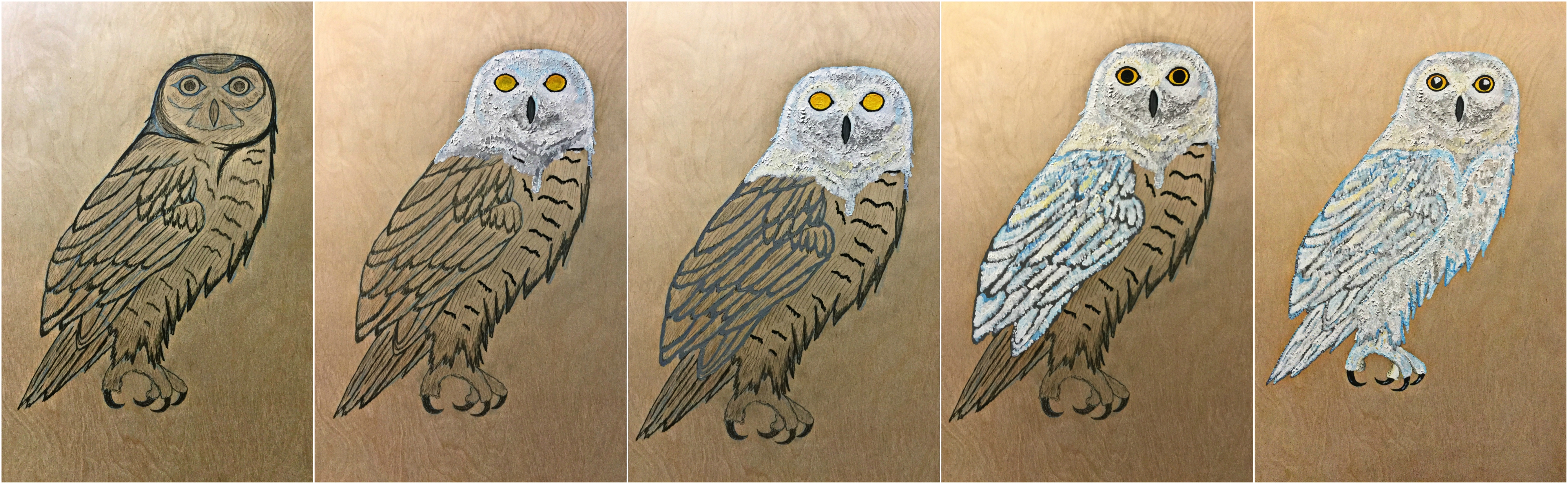
snowy-all
This owl has been on my to-do list for years. It wasn’t until this fall that I felt I had the technical skills to get it done like the others. I used yellows and blues to add some dynamic. This is likely my last owl that I’ll get done here in Oakland. My next few projects will be African raptors, and those will be coming to you from Chicago, Illinois.
I am forever grateful for the time I’ve been able to spend in Oakland, I underestimated its potential, but learned quickly of its heart, passion, and beauty.
I’m excited for the art and adventures to come in the city by the lake.
A heartfelt thank you to all my California friends who have encouraged me to reach this point, both as an artist and as a man.
Thanks for looking at birds with me again. Lots more to come.

Thank you,

Farnco