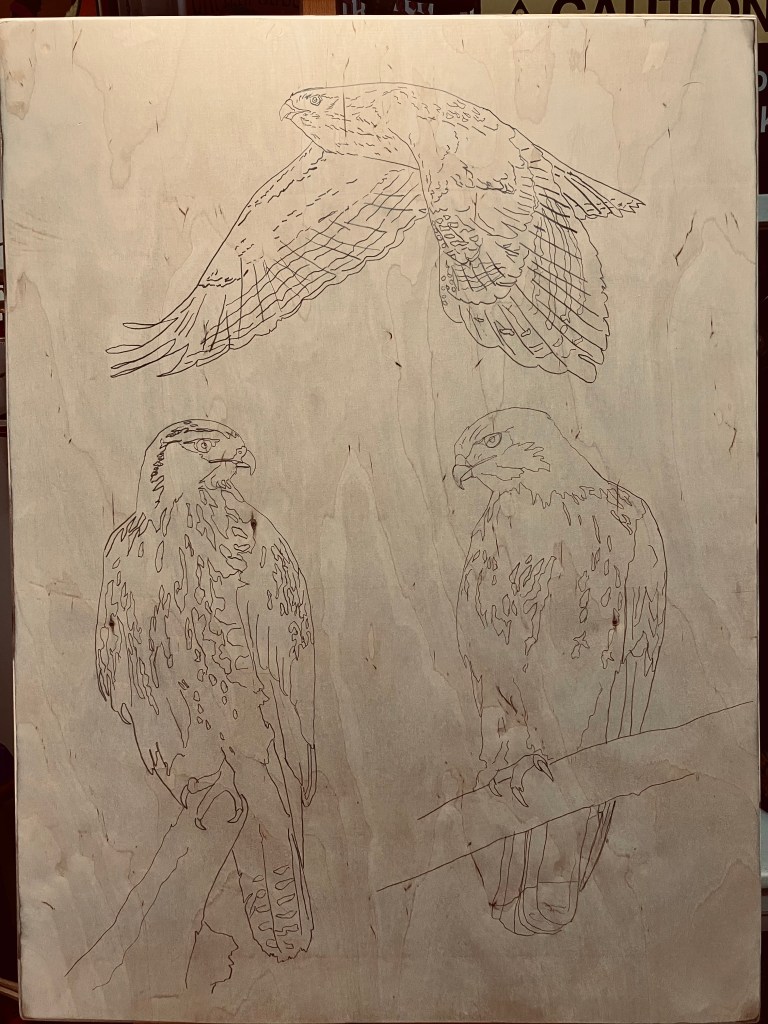
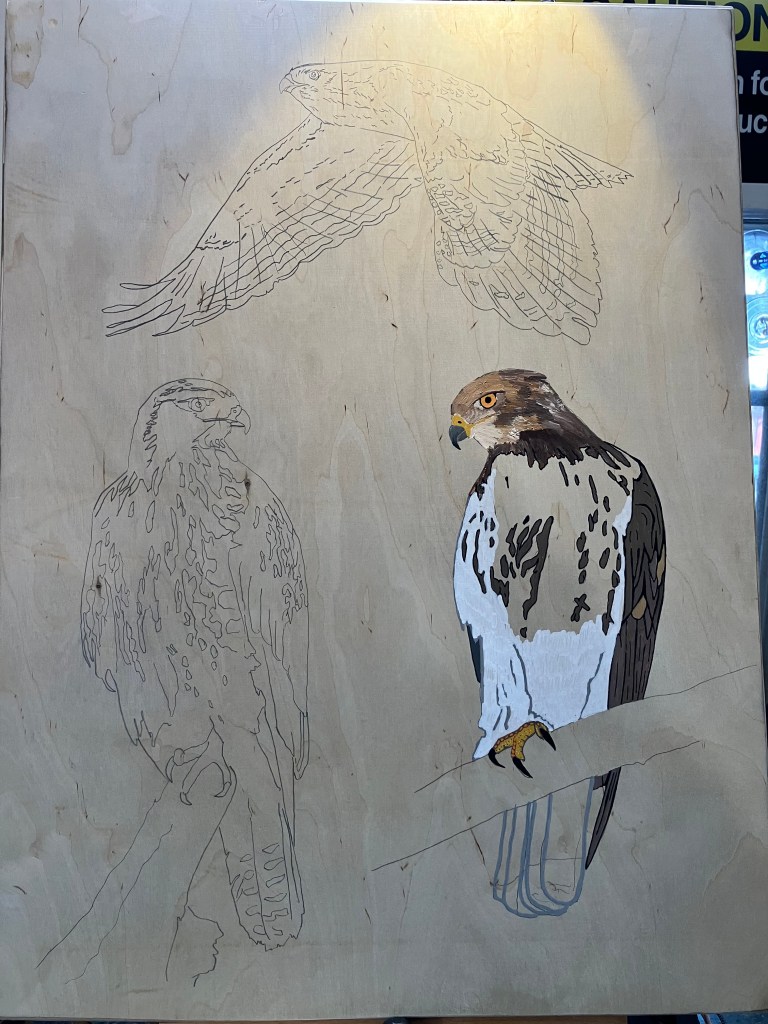
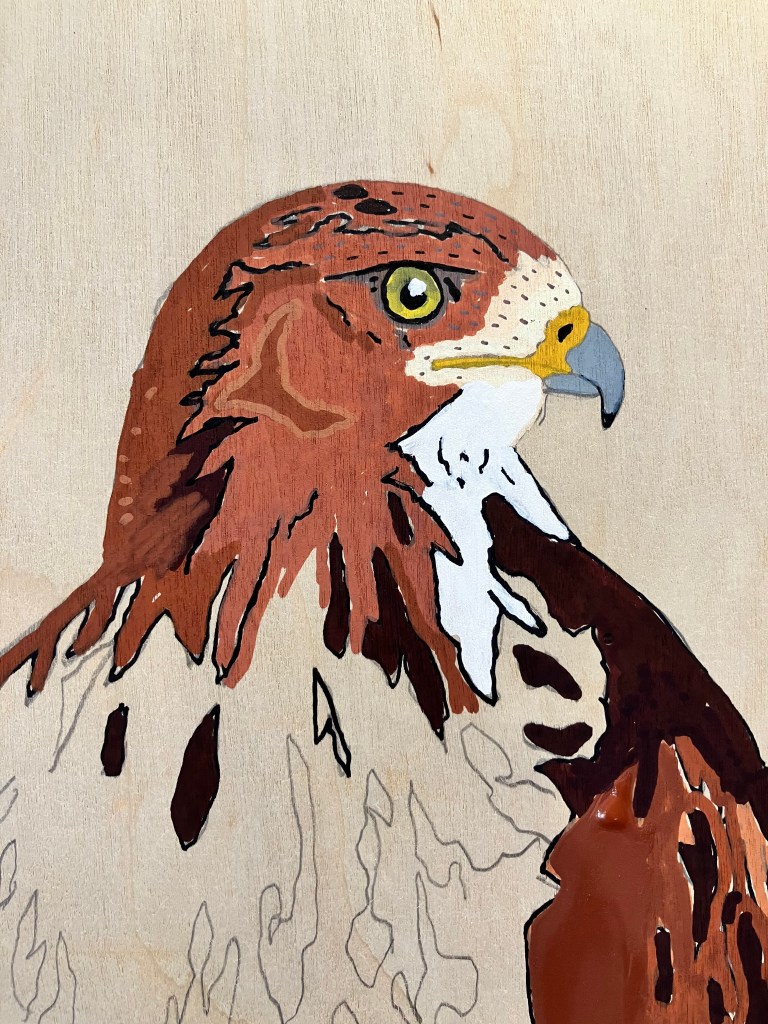
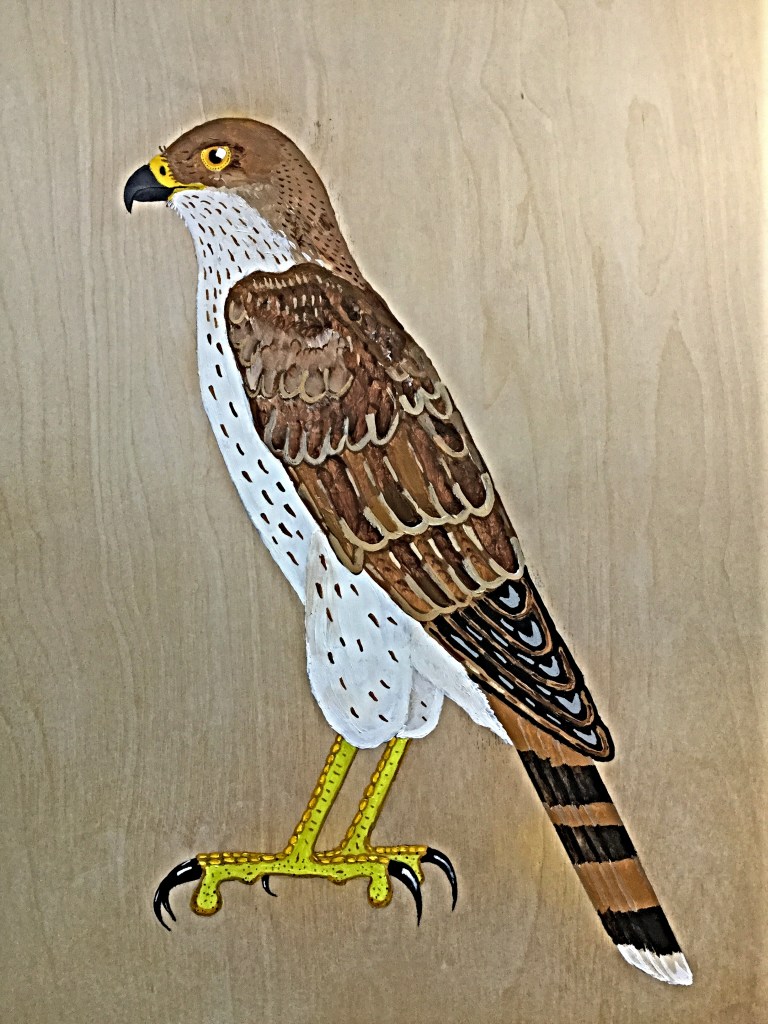
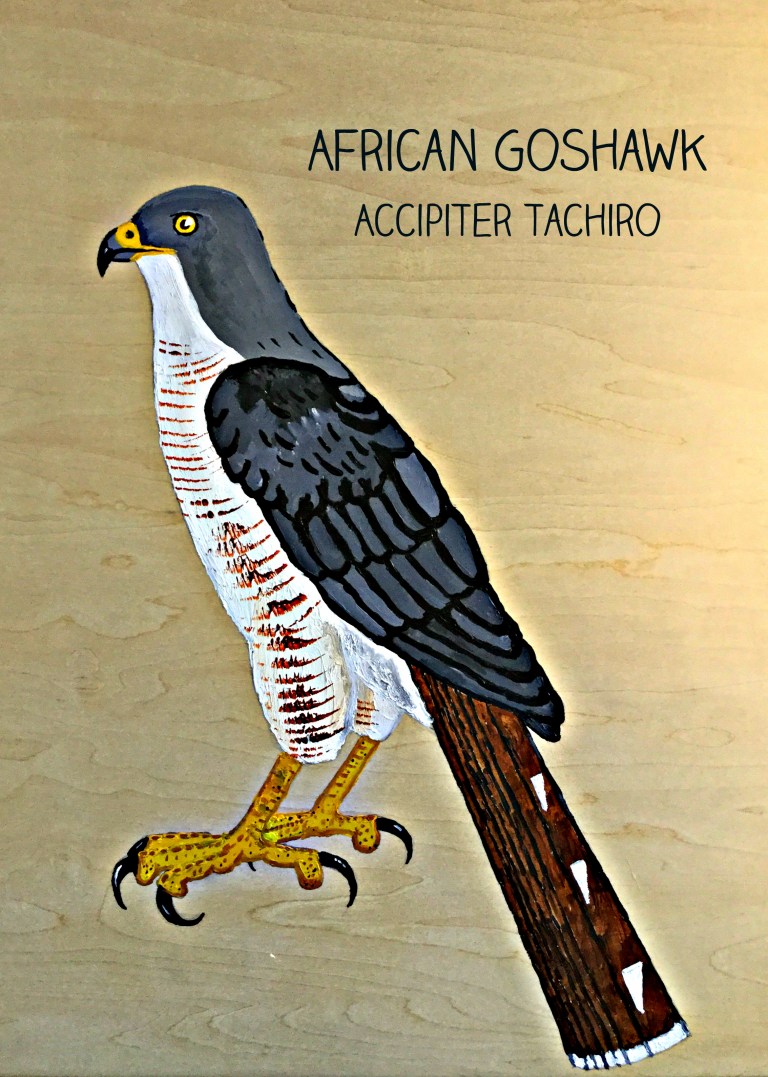
Red-Tailed Hawk

North America’s most widespread bird of prey. And easily the most represented species in my art portfolio. 

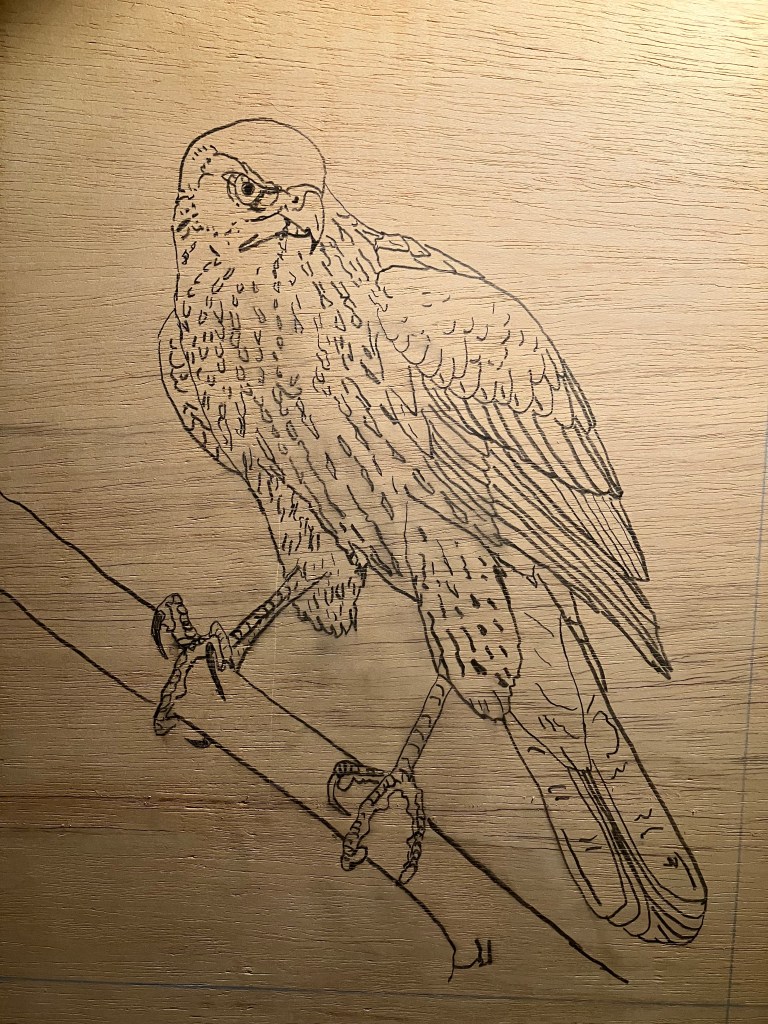
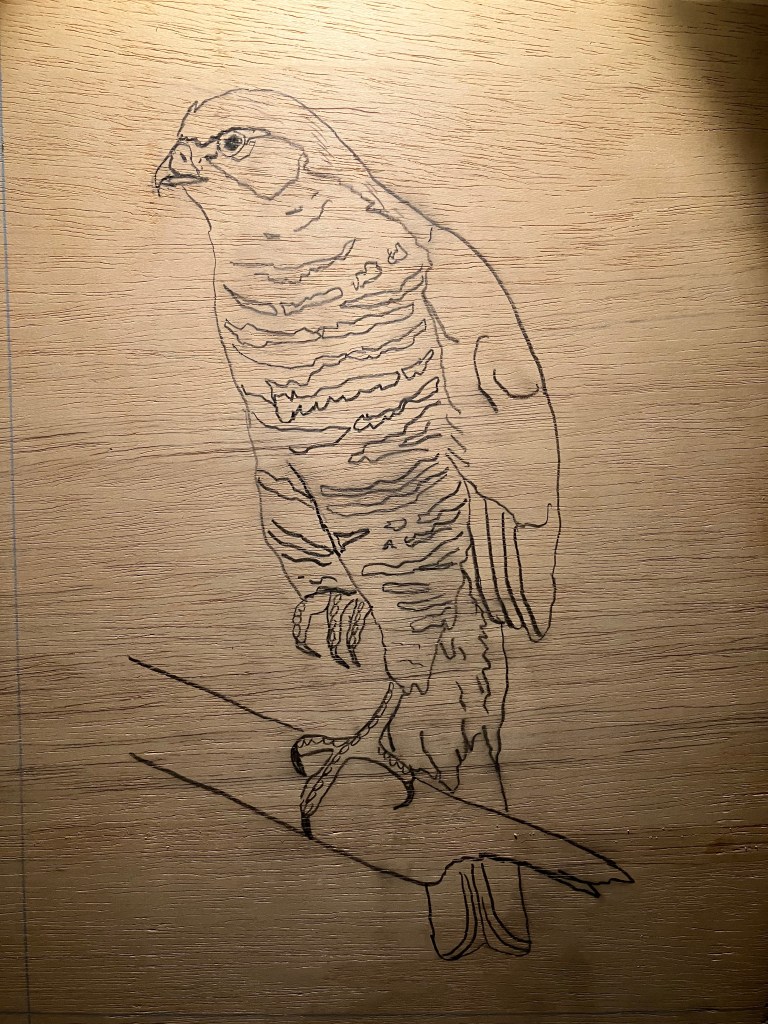
After finishing the Cooper’s hawk panel I wanted to put together something similar for the Red-tailed Hawk. 

Using pencil, acrylic paint and acrylic paint markers. I made this panel from scraps I picked up at various construction sites from my work. 

The composition was inspired by wildlife illustrations found in field guides from the 1970s and early 1980s. 

Thank you for looking at birds with me.
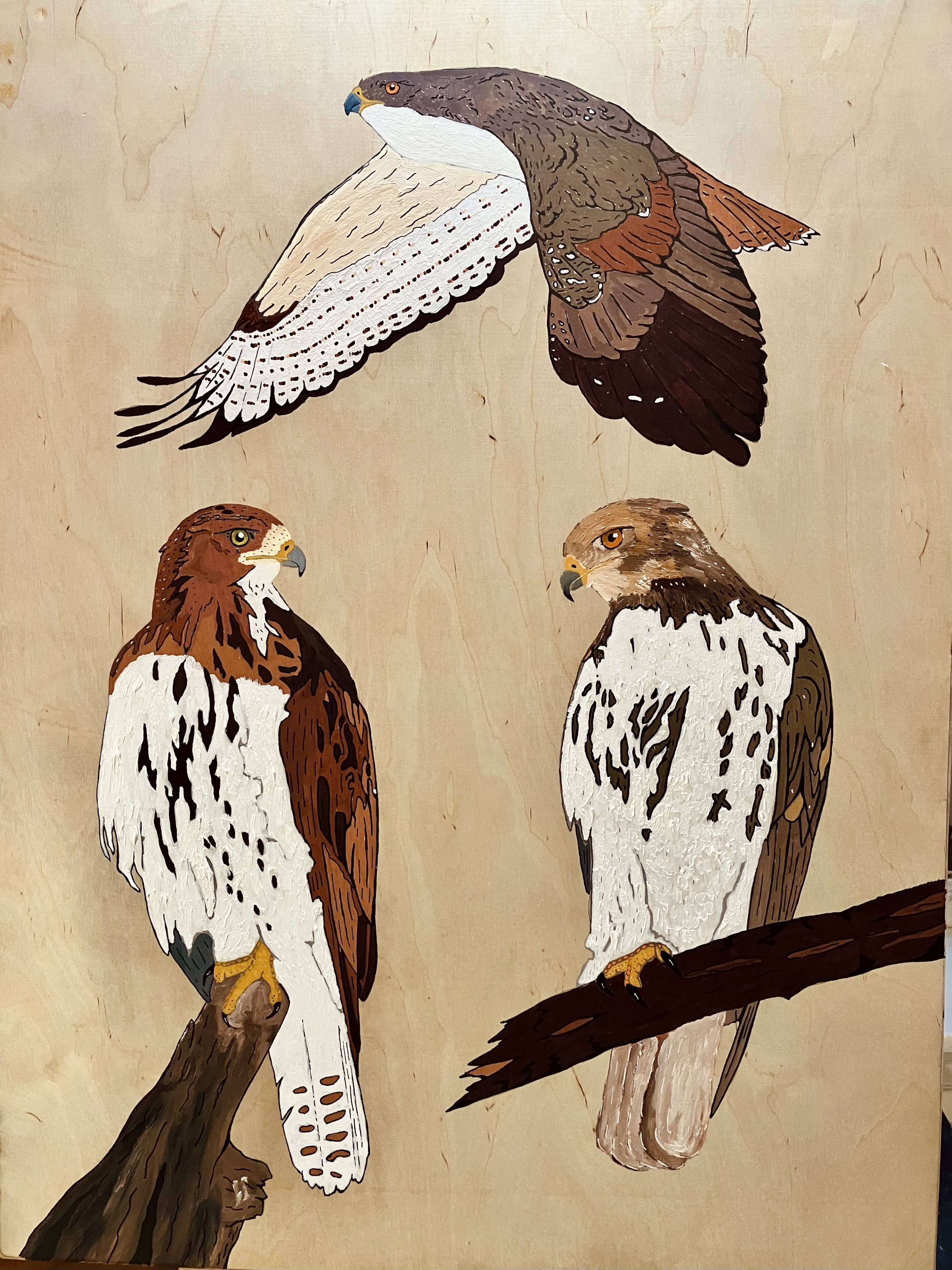
Cooper’s hawk. Astur cooperii.

One of my favorite North American birds of prey to watch or illustrate due to their tenacity and ferocity while hunting.  

A Cooper’s Hawk catches small and medium size birds with its feet and kills it by repeated squeezing. Cooper’s Hawks hold their catch away from the body until it dies. They’ve even been documented drowning their prey, holding it underwater until it stops moving.

This bird was recently reclassified from the Accipiter genus to Astur. Grouped with the American Goshawk (Astur atricapillus). This was all brought to be from new genetic research and published last year. 

I hand built this panel in my garage and arranged the composition using pencil and acrylic paint and also acrylic paint markers.

Thank you for looking at birds with me.

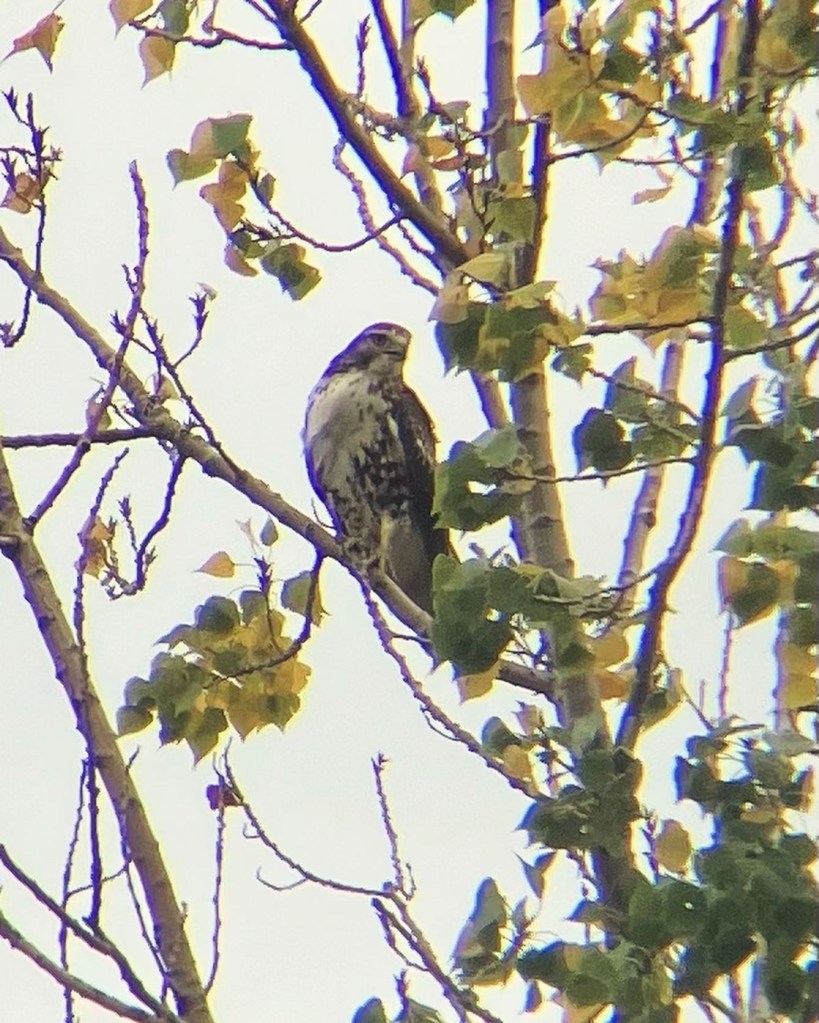
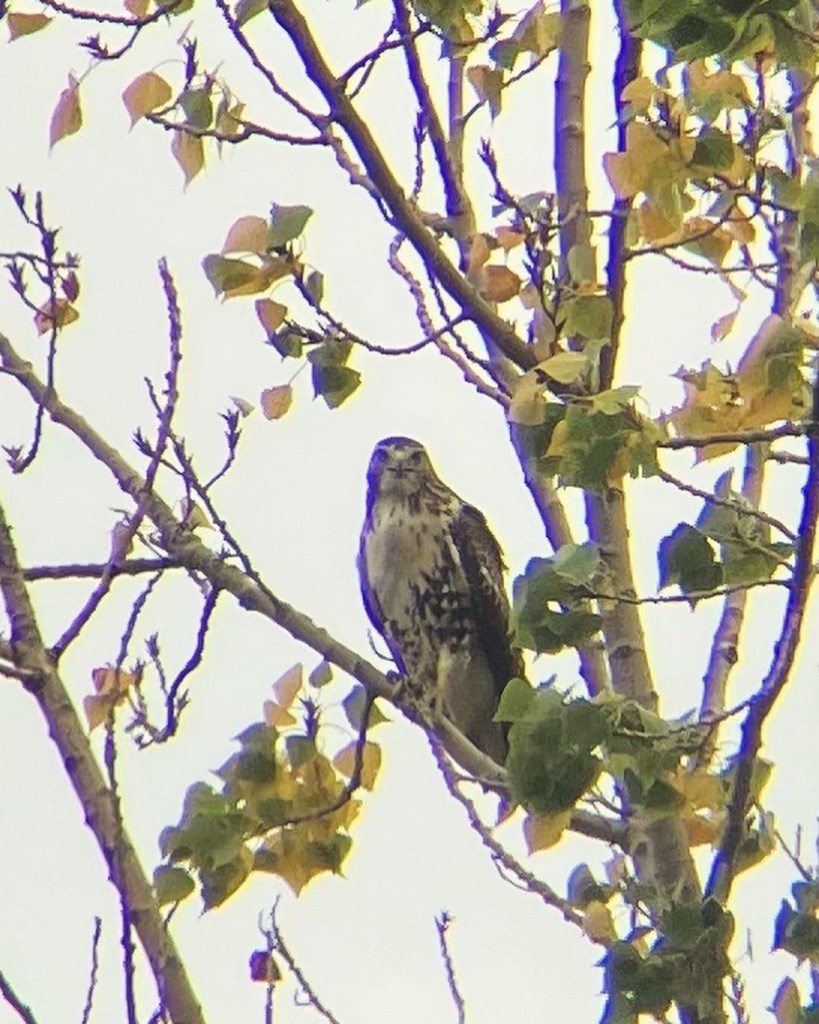
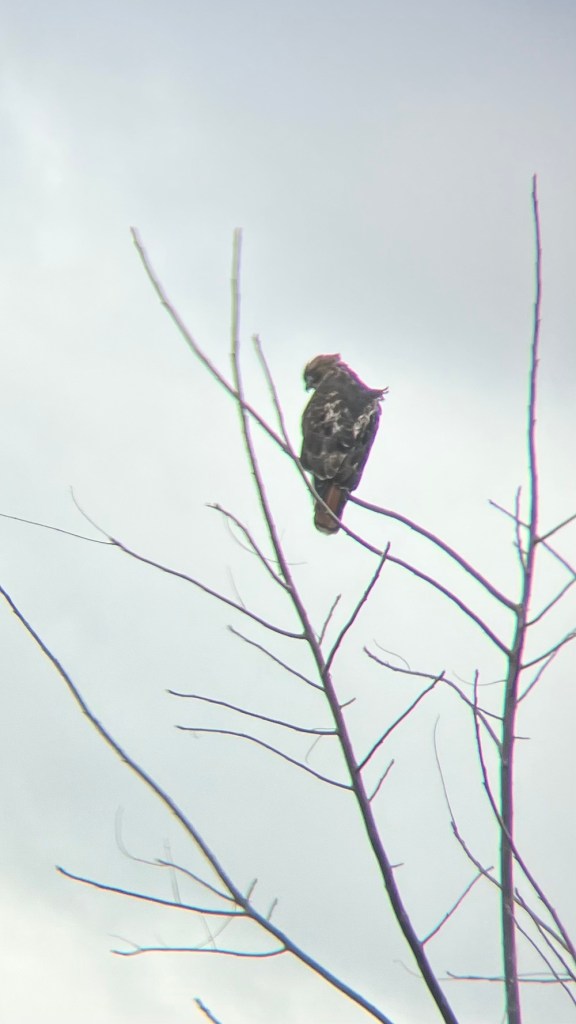
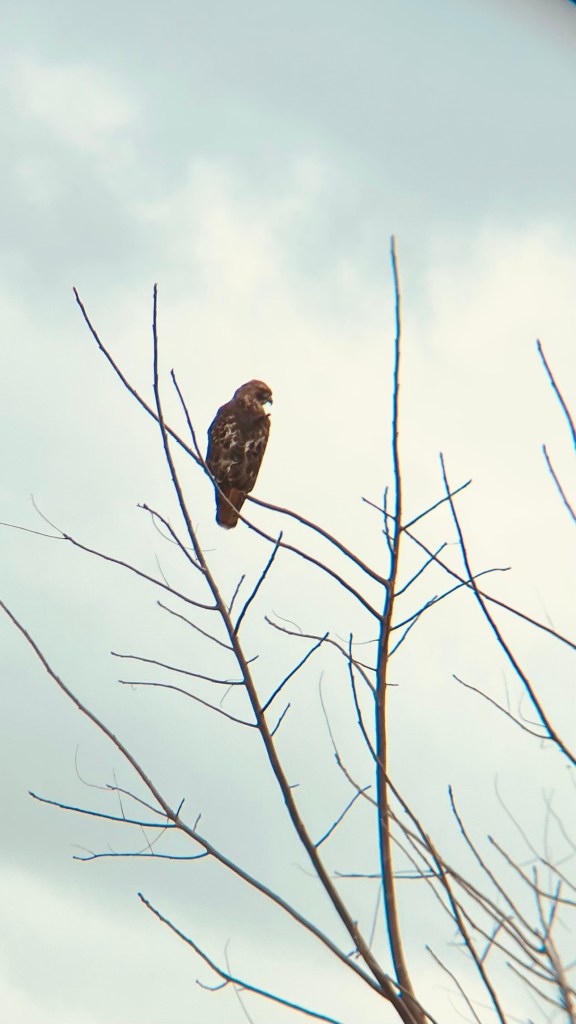
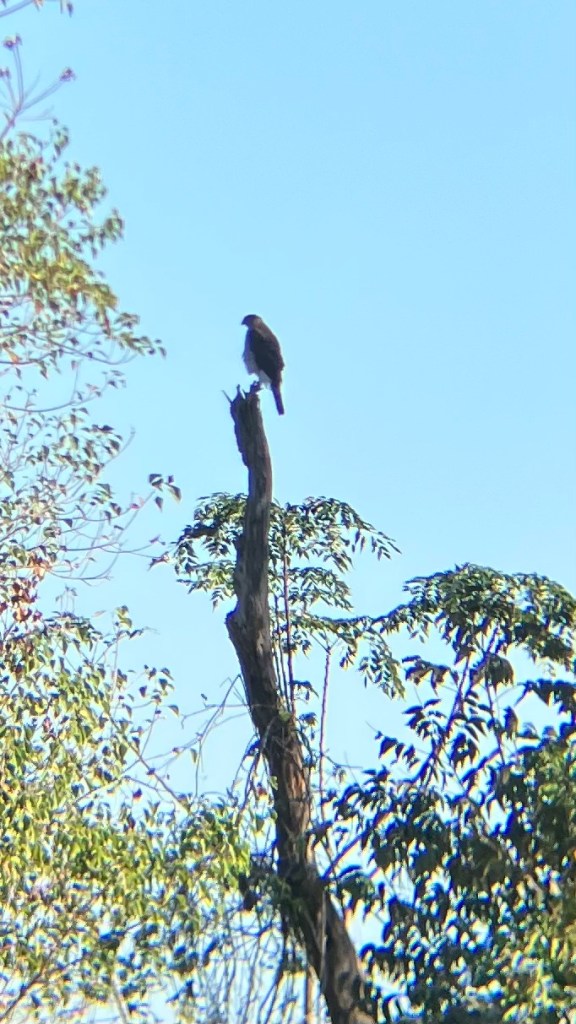
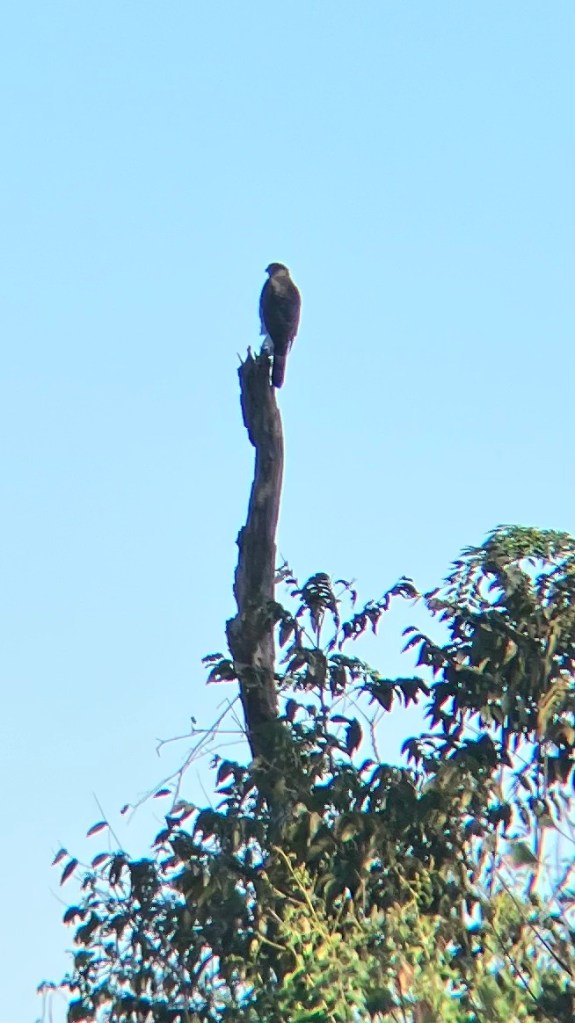
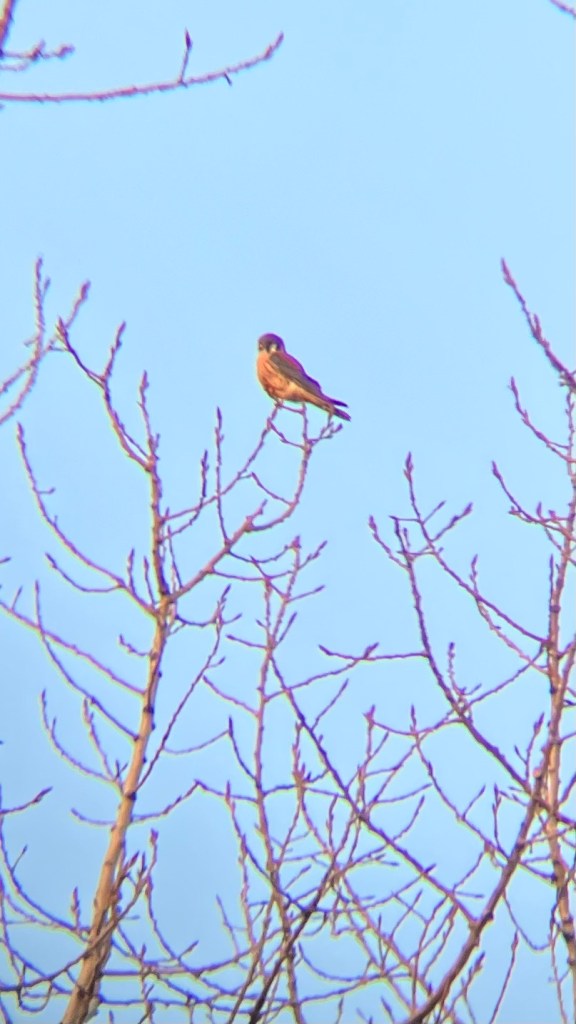
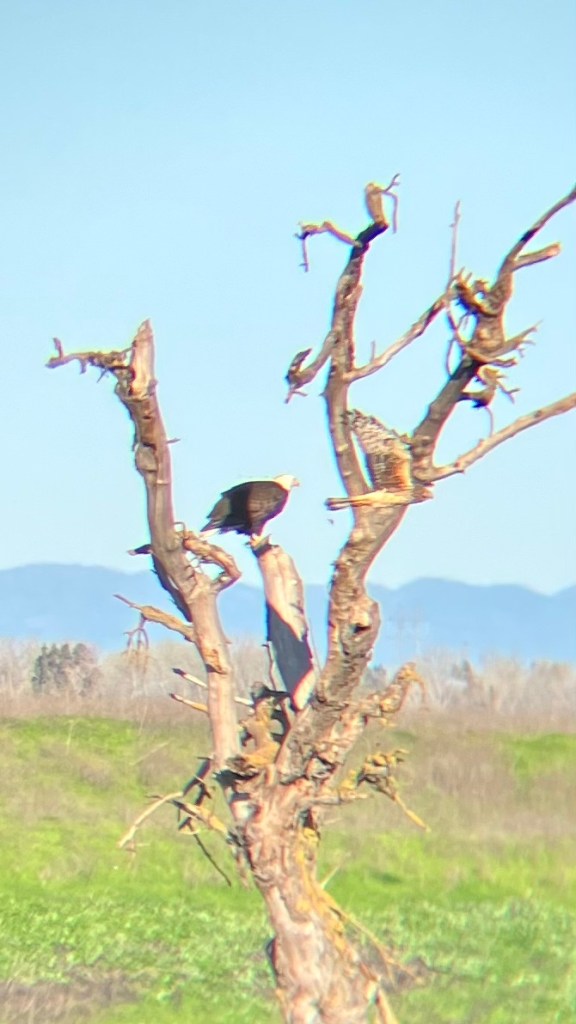
Raptor snapshots from the field.

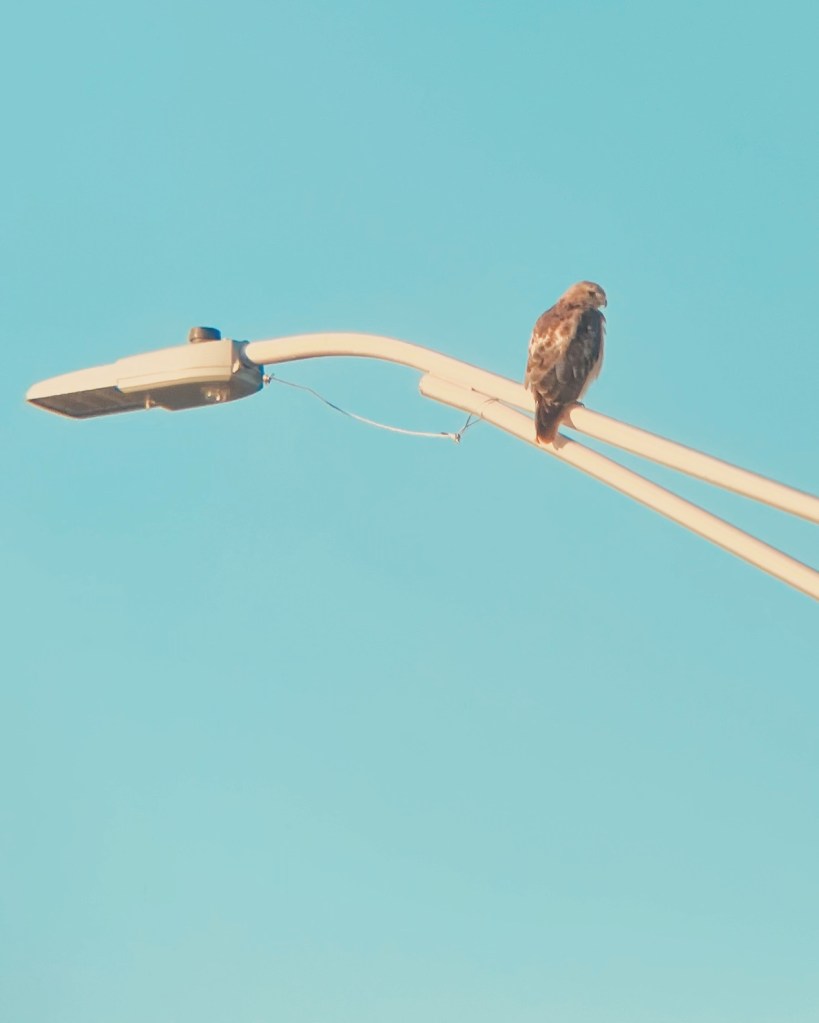
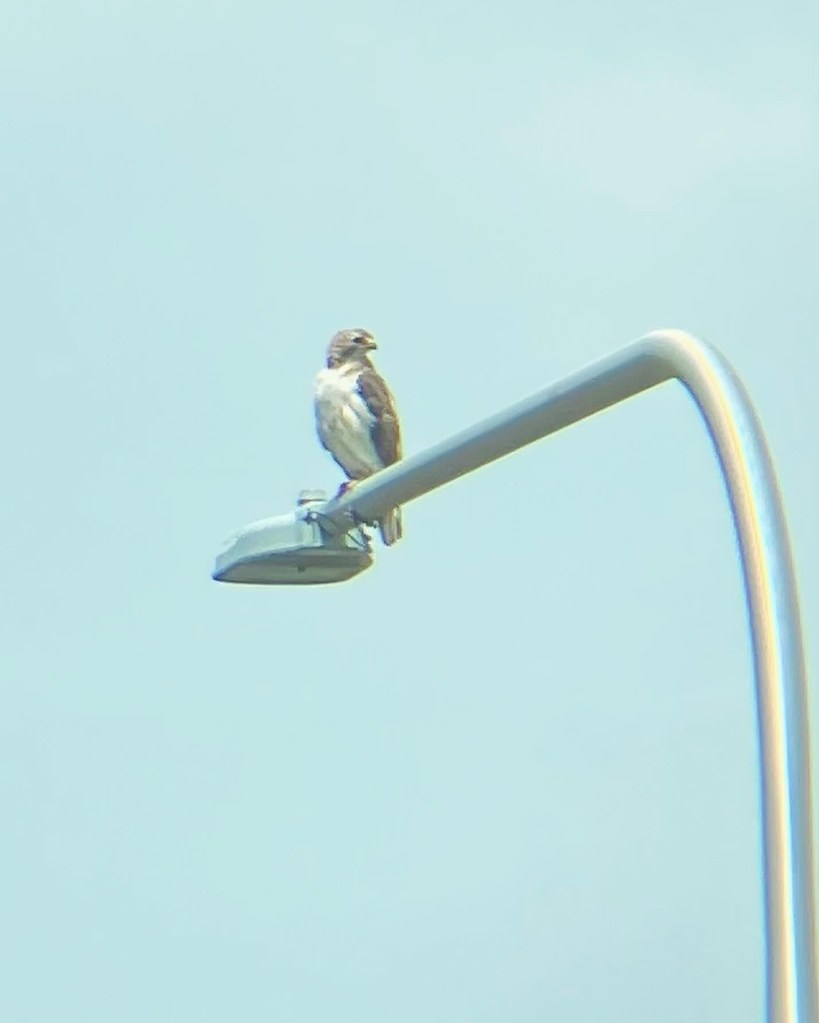
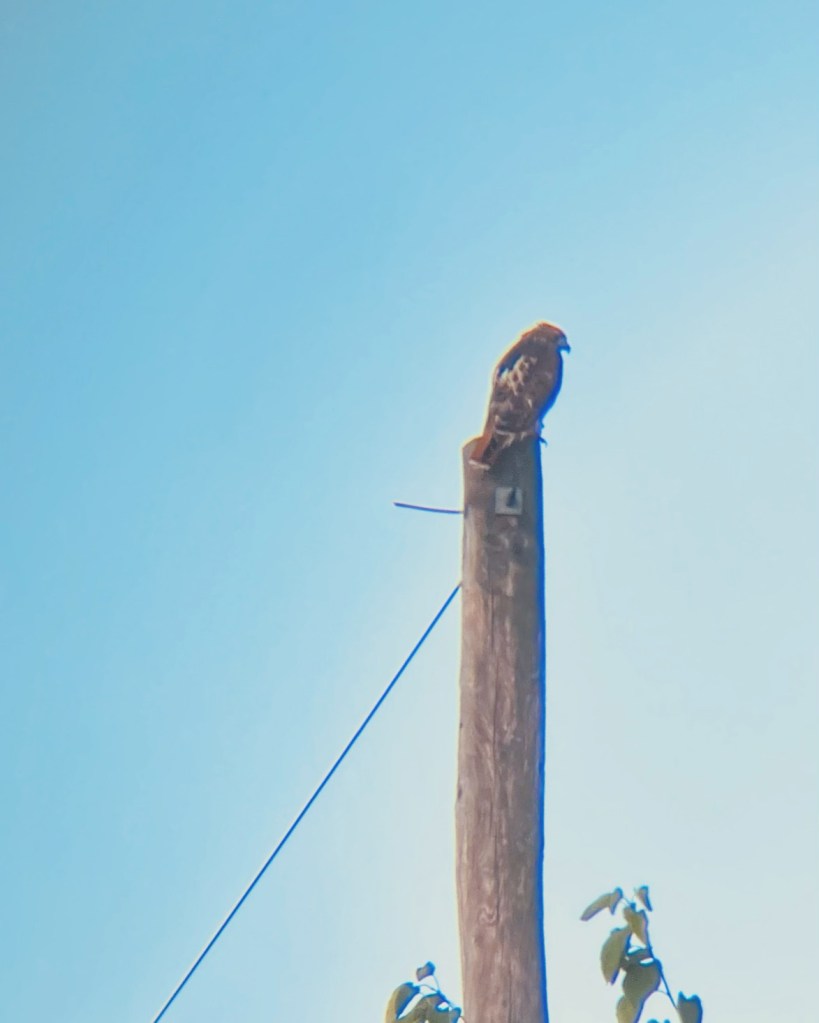
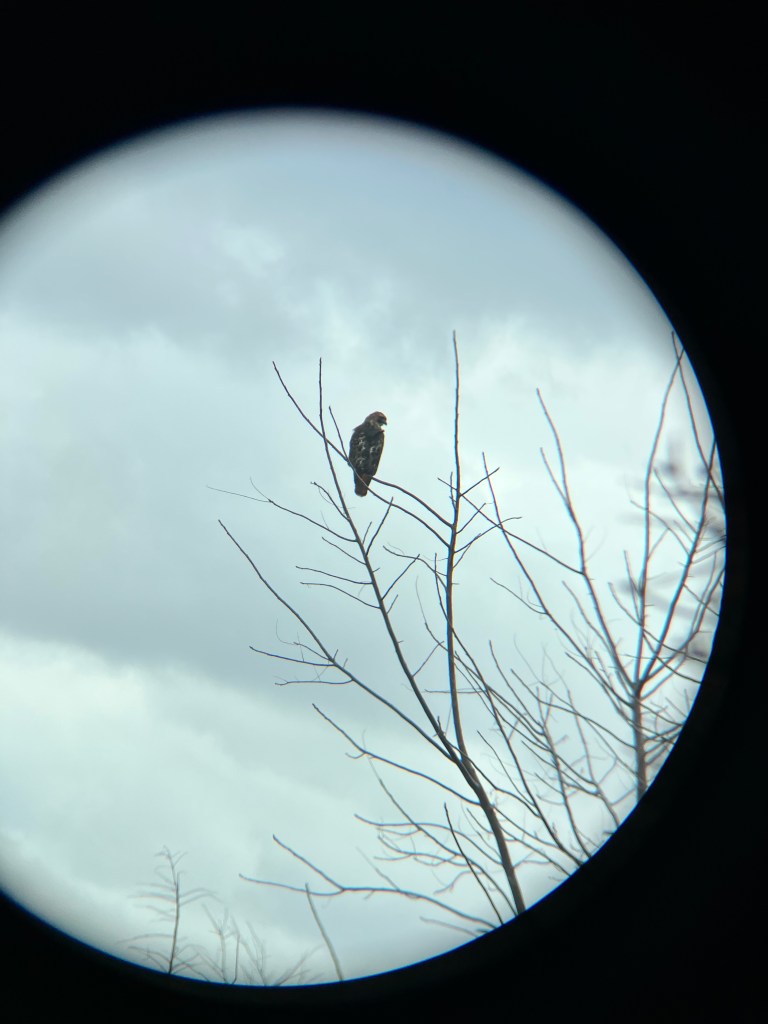
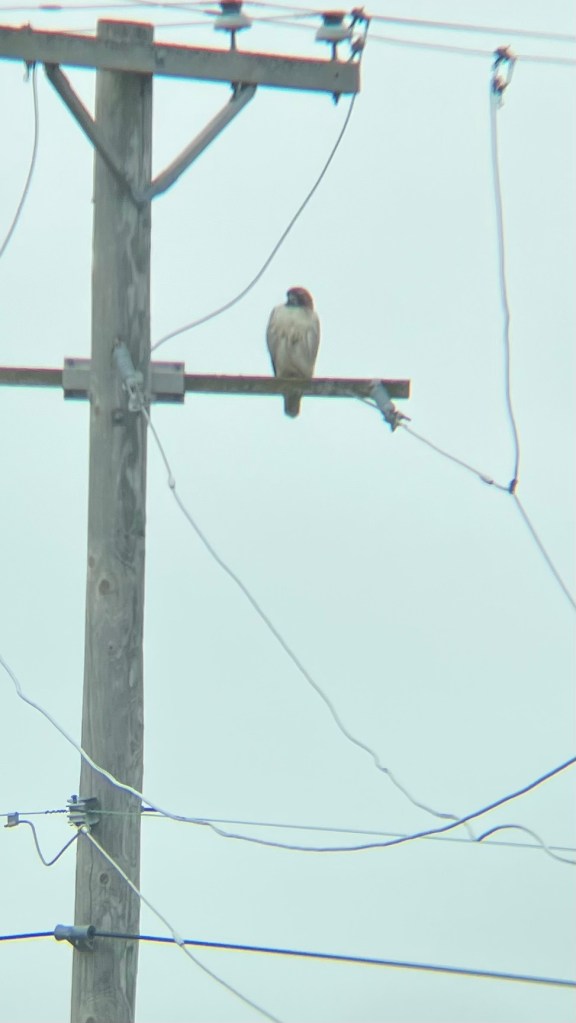
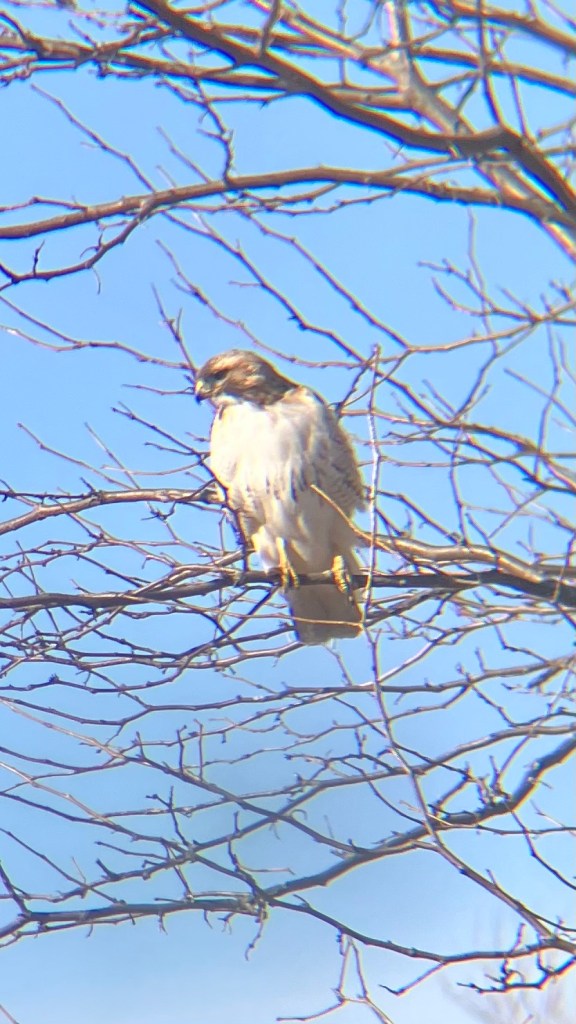
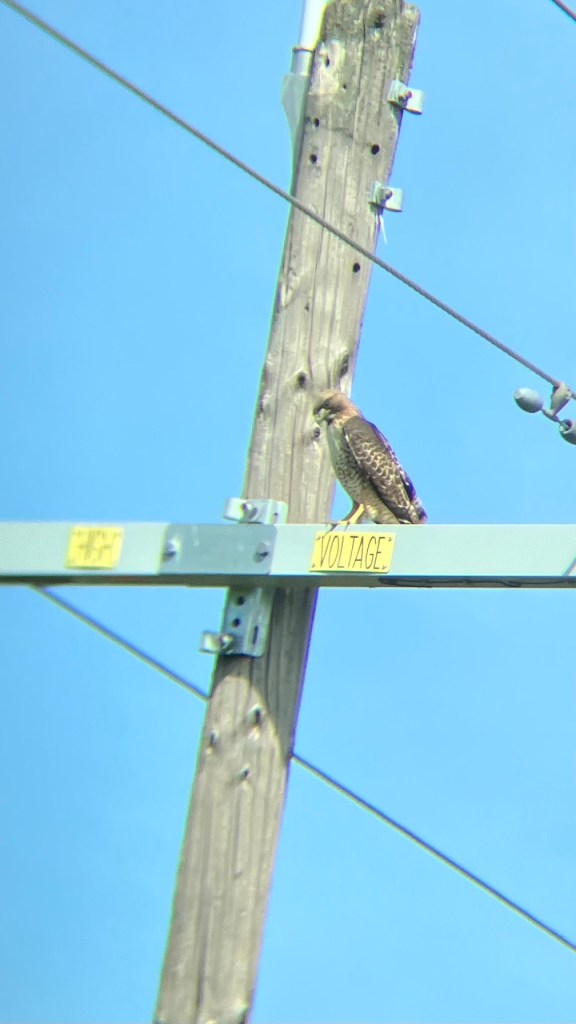
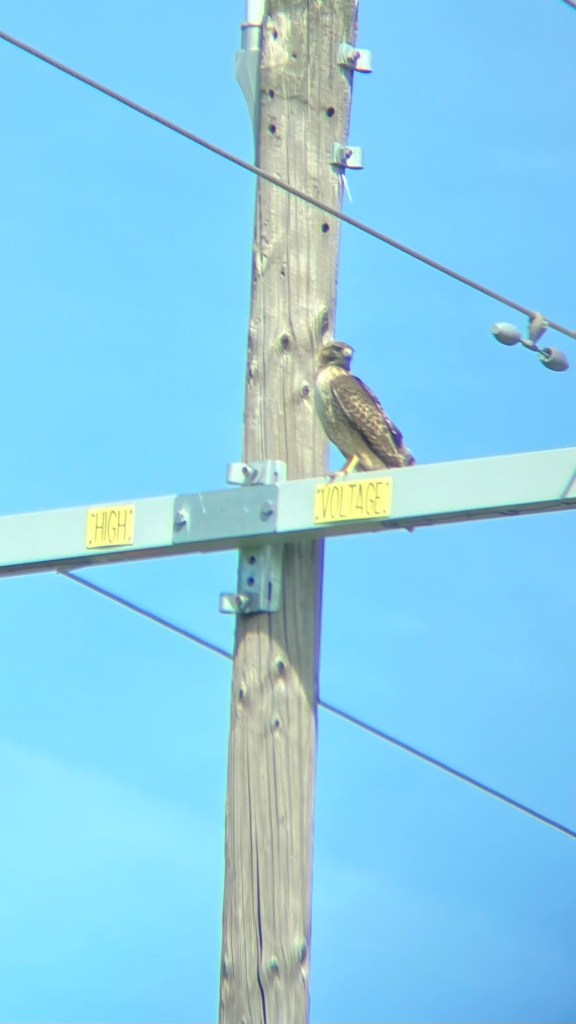
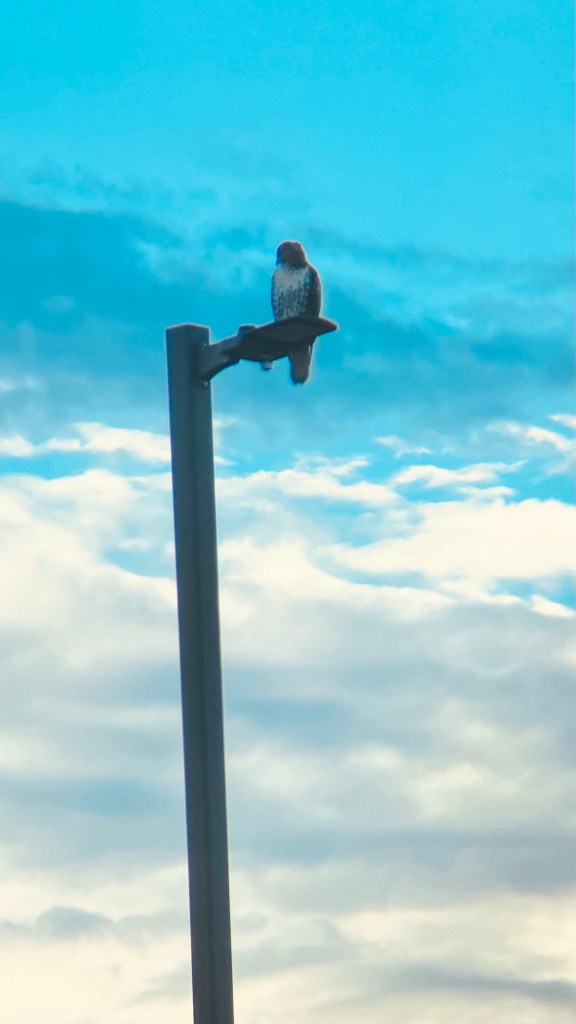
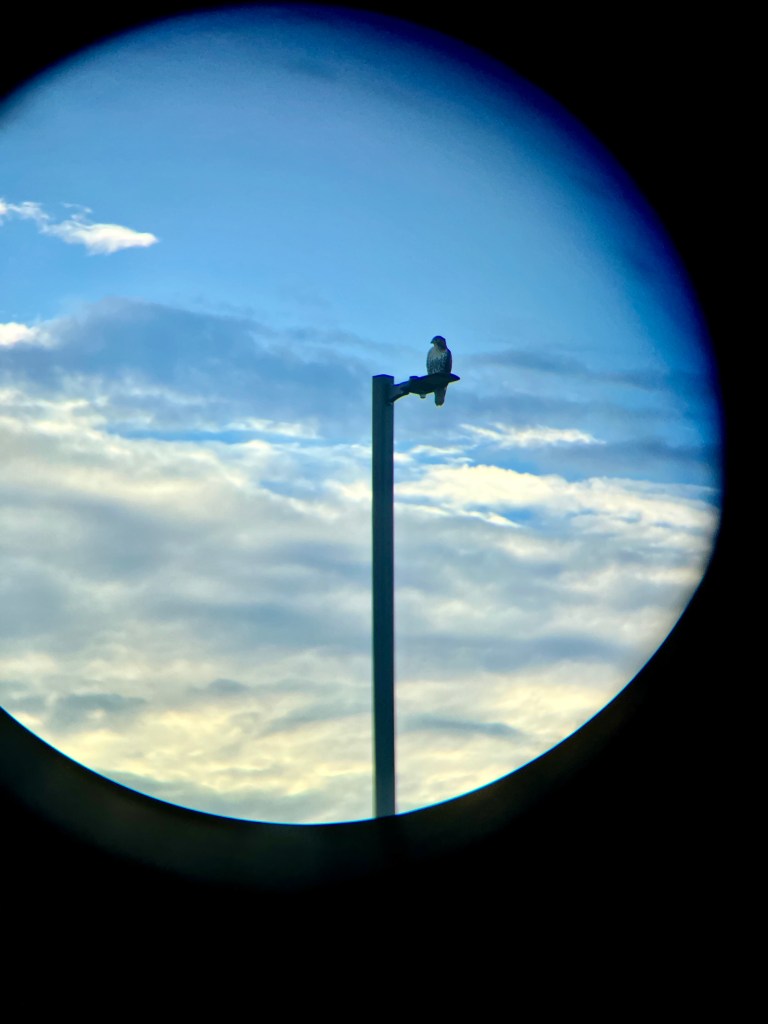
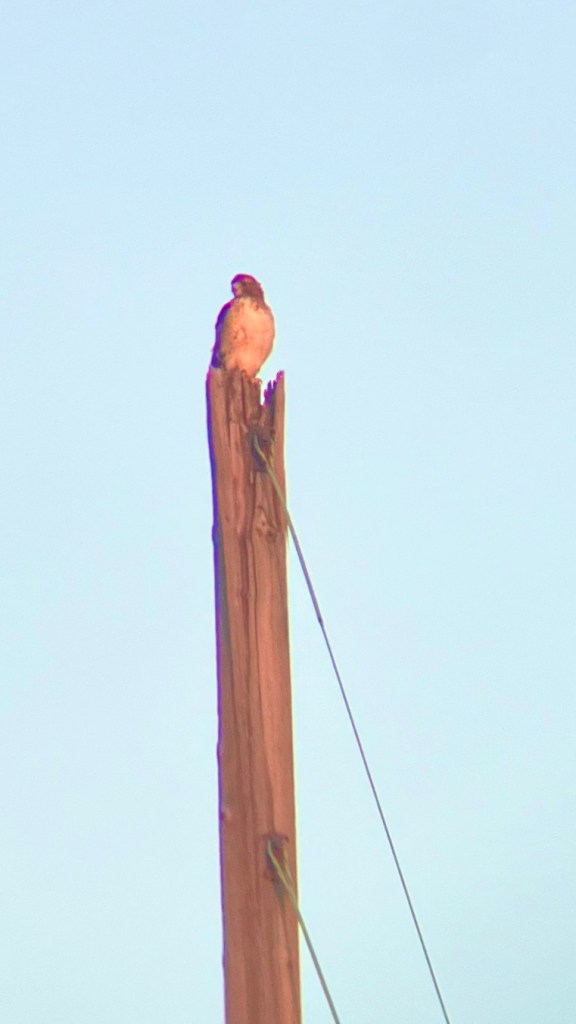
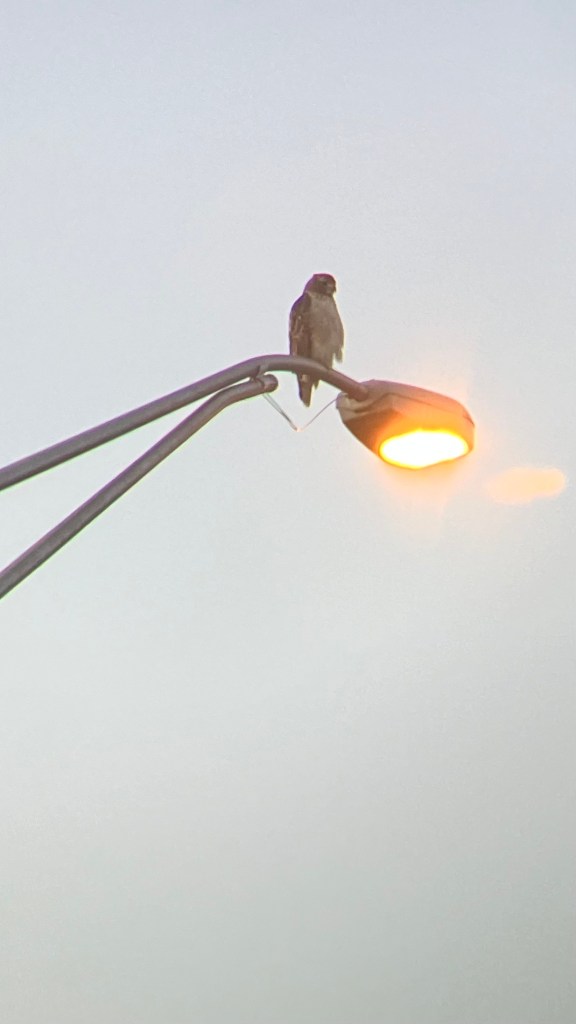
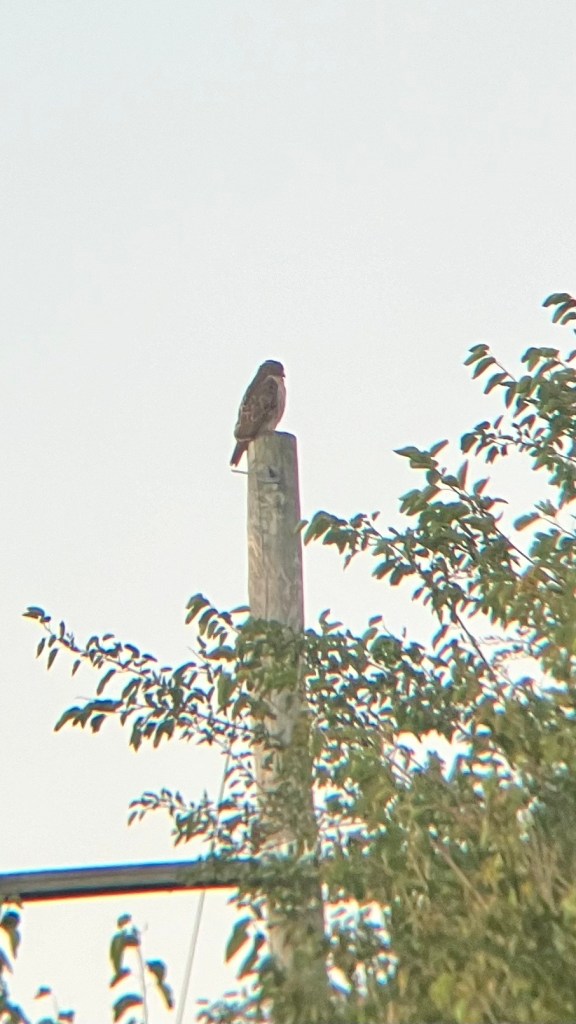
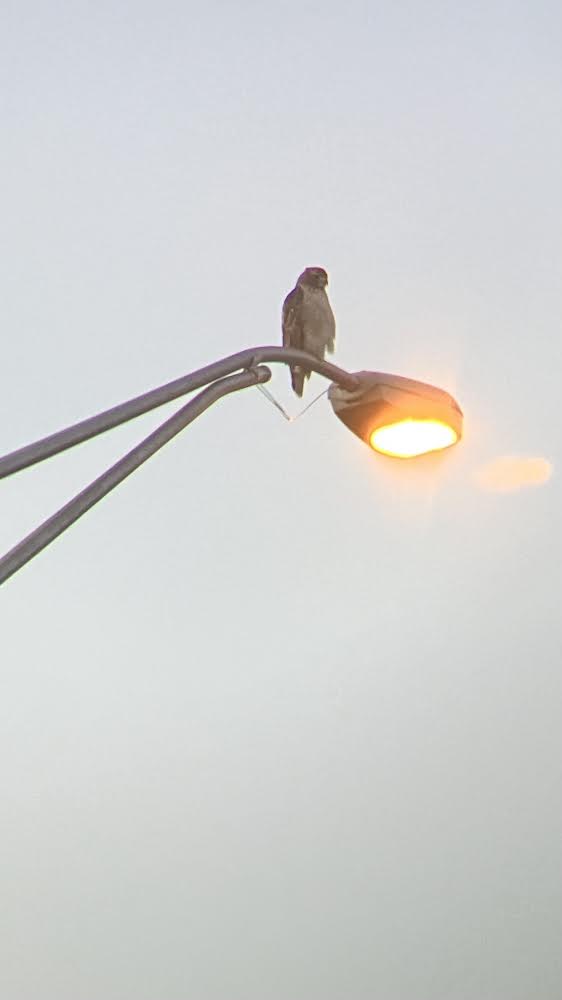
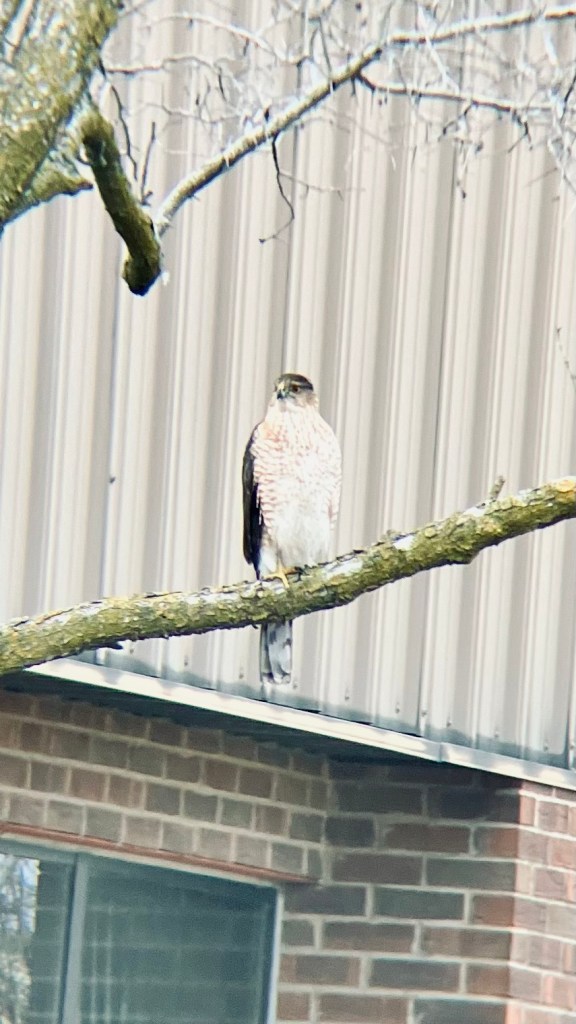
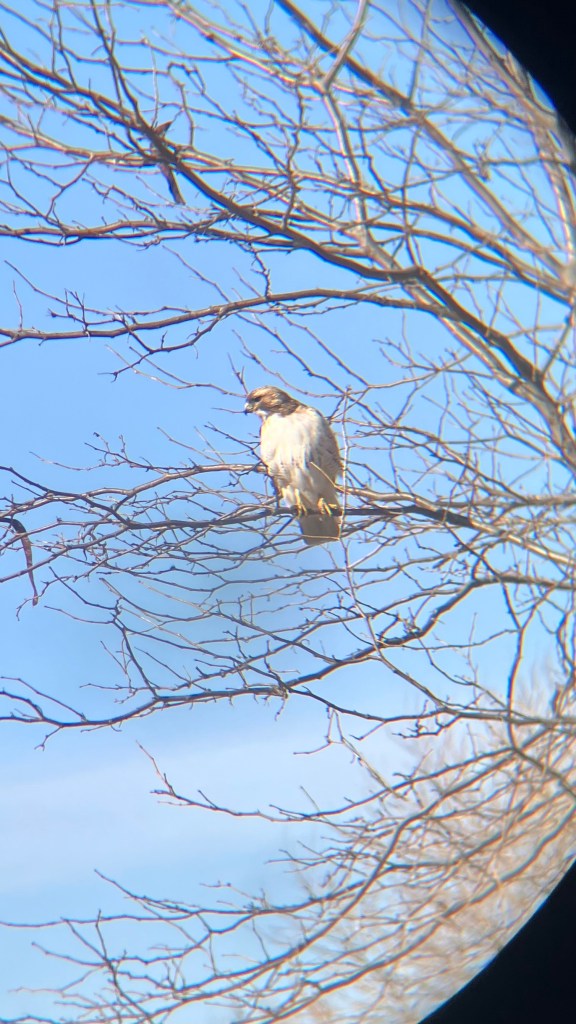
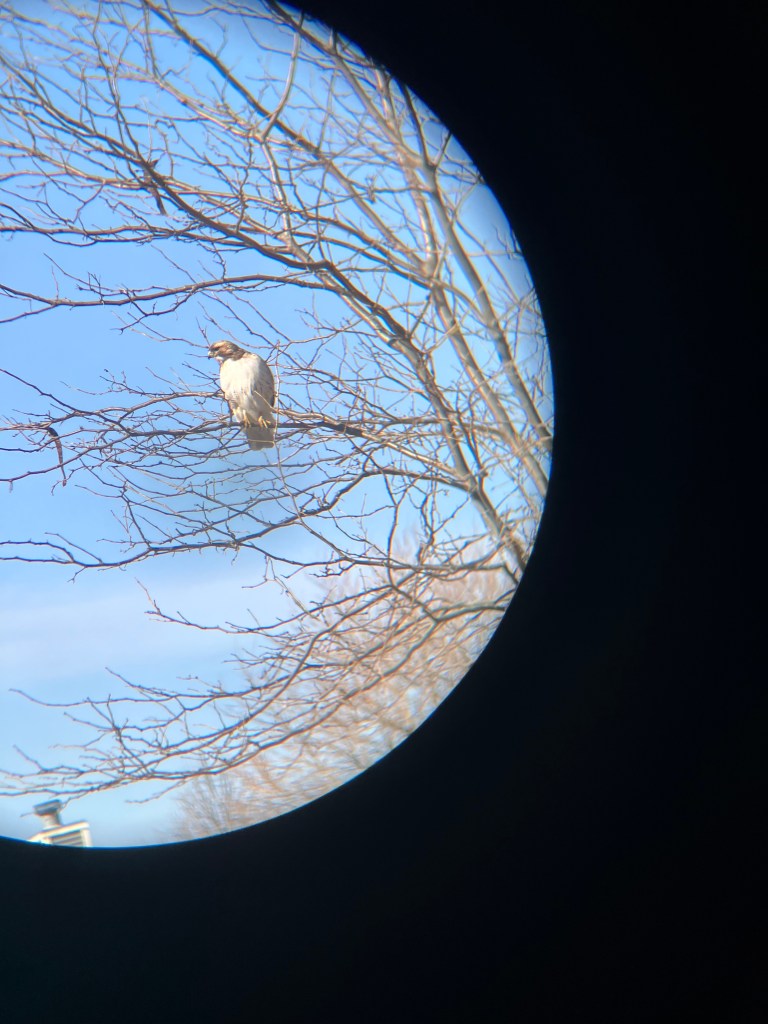
It has been a very great personal journey to learn to paint all the birds I’ve shared here. My journey began more than a decade ago here with learning to paint the Red-tailed Hawk. In the last year I’ve picked up a very basic spotting scope and have (with luck) been able to catch some reasonably decent photographs of those original favorite birds of mine. 

Here’s a series of photographs that I’ve taken in Illinois and California. 

And here’s a few of the Cooper’s hawks I’ve managed to snap a picture of in Illinois and South Carolina. 

And just a few other raptors I’ve spotted in Illinois and California. American kestrel, Bald Eagle, and Northern Harrier.

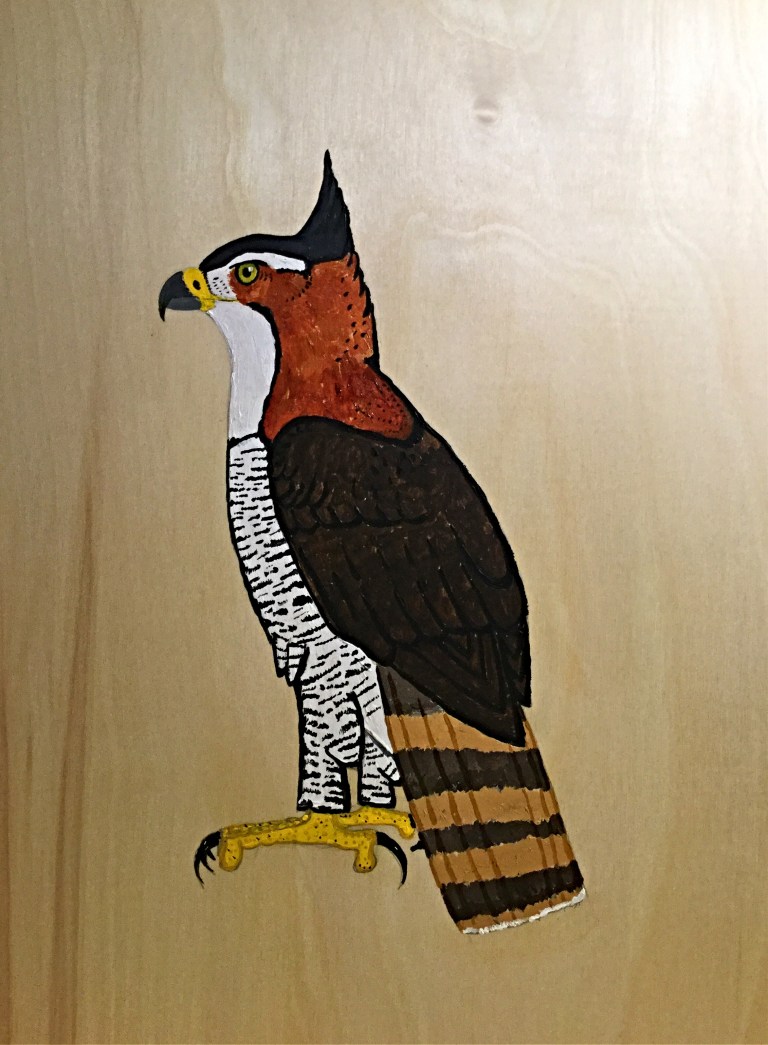
Raptors of the World: Ornate Hawk-Eagle

Spizaetus ornatus

Here’s an aptly named raptor found in the tropical forests of Central and South America. Feeds primarily on mammals, birds, large lizards, and snakes. They often hunt still from a perch then dive down after prey that’s passing by. They are also very strong flyers that can chase down prey that’s escaping.

ornate process2

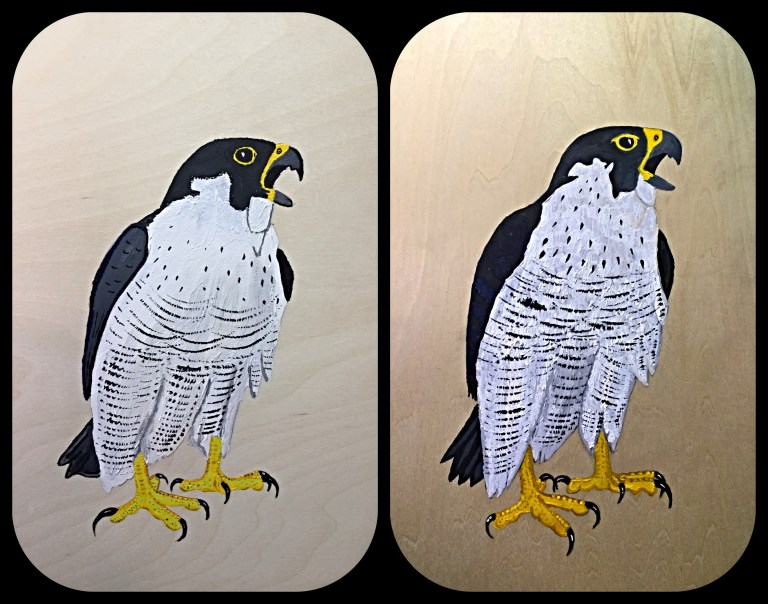
Falcons of the World: Peregrine Falcon (Again indeed)

Falco peregrinus.

I first learned about these fine birds from a book when I was in second grade. Every time my class visited the library I went straight to the wildlife section and dove in. Fast forward some 20 some years and I’m still fascinated by these fine falcons.

I’m grateful to have had many different experiences with them in the wild. From California to Illinois in a number of different habitats. There’s really nothing quite like watching them fly, hunt, dive, and dine.

Falco t-shirt process edit

I’ve made a few different Peregrine panels over the last five years. This pose is among my favorites and so I duplicated it. I’m proud to be working on panels my father made for me in his wood shop.

Thanks Dad, and thanks to you for looking at birds with me.

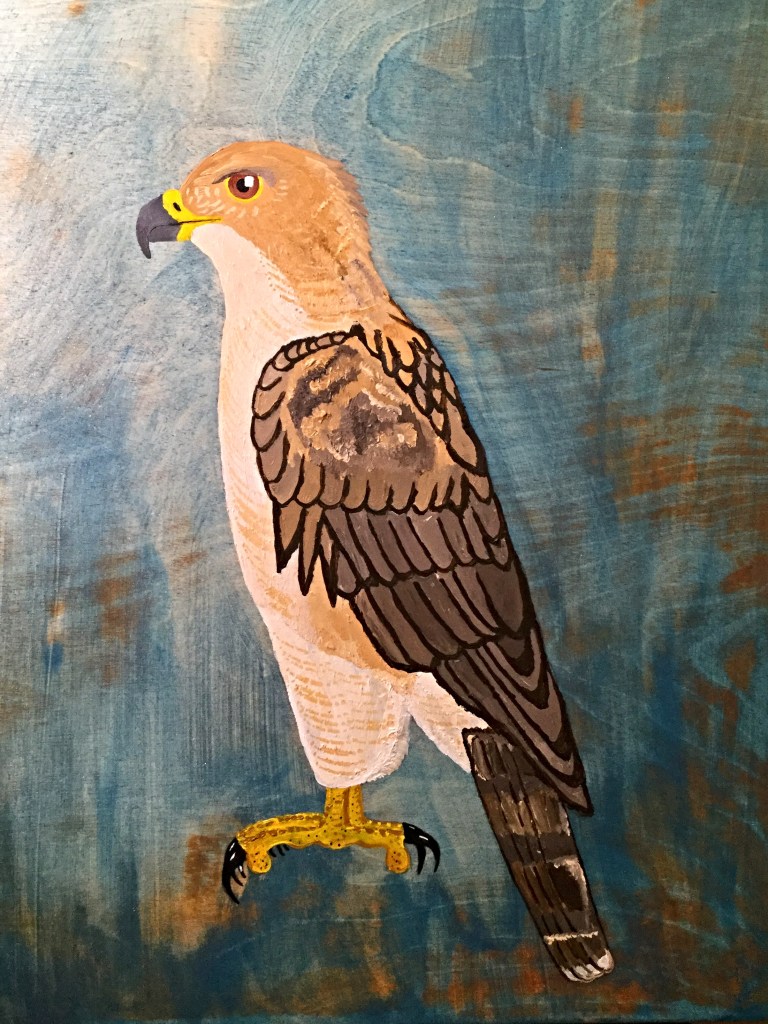
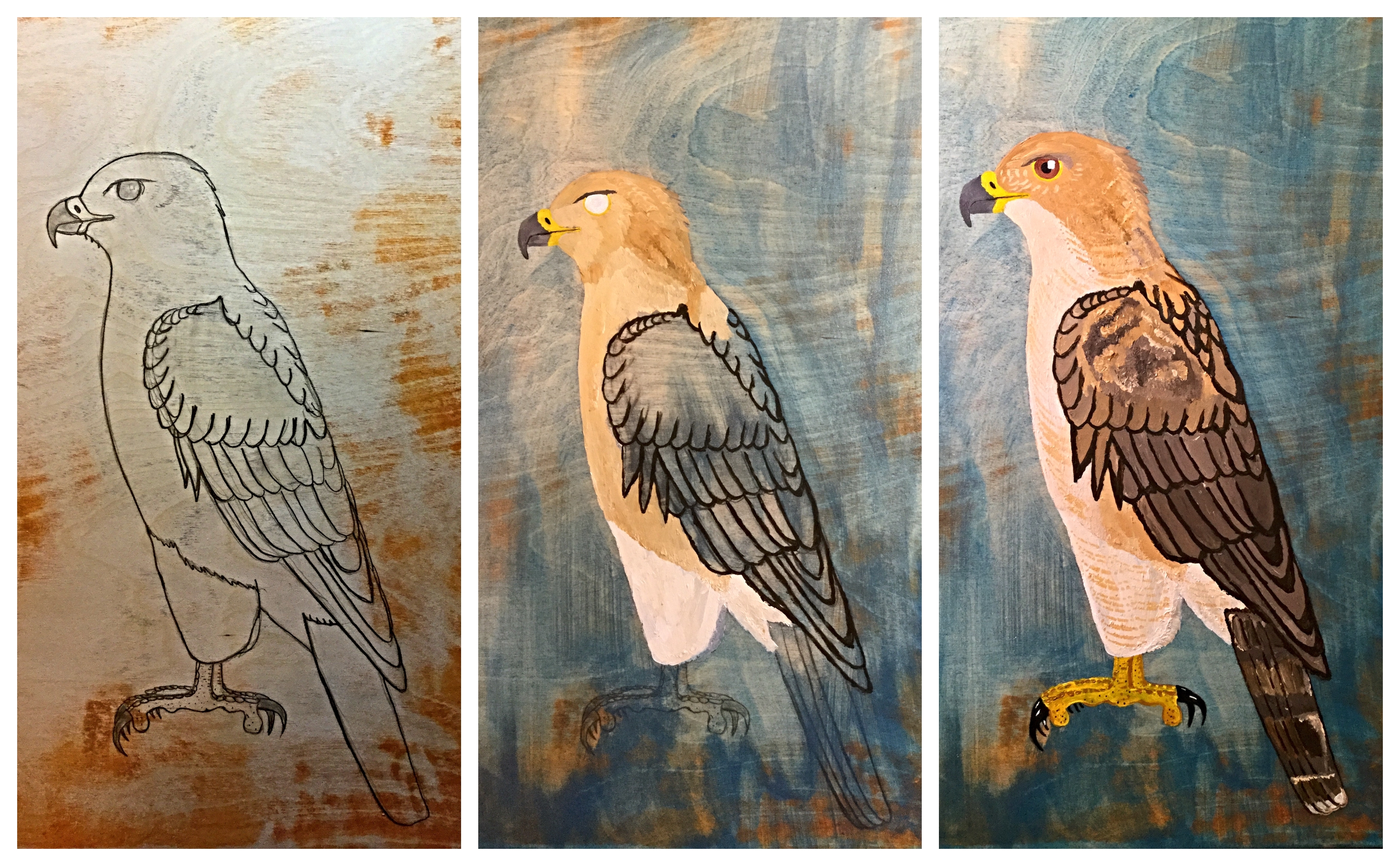
Raptors of the World: Red-tailed Hawk (juvenile)

I’ve painted plenty of adult Red-tailed Hawks and wanted to do a panel painting of a first year hawk. Even more specifically a light morph. Red-tailed hawks don’t gain their namesake red tail feathers until their second and even sometimes third year.

This was painted on a panel that’s been used for a few different paintings and has been sanded down many times and washed with several different background colors. That’s what gave it the unique coloring you see here.

I’ve probably painted more of these birds than any other. They hold a special place in my heart. Thank you so much for looking at birds with me.
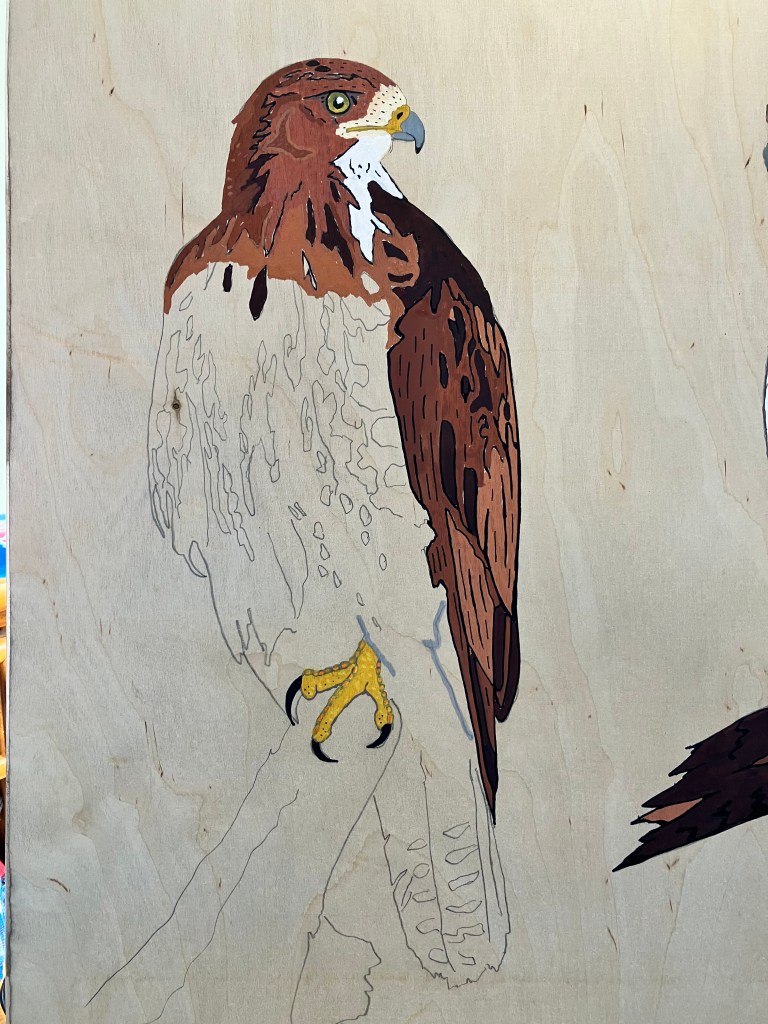
rtha lite process

Owls of the World: Barn Owl (again)

Tyto alba. 

One of the most wide spread species of owl on the planet. They are found on all continents except Antarctica. These owls occupy open and lightly forested regions as well as agriculture and urban areas. 

Barn owls feed primarily on small mammals such as mice, rats, and voles. Most of which are hunted from a perch. Bats occasionally make the menu as well, taken in flight. A barn owl family with nestlings can consume as many as 10,000 rodents per year. This makes them a friend to corn and grain farmers everywhere. 
barn owl process

Hawks of the World: Japanese Sparrow-Hawk

Accipiter gularis, or Japanese Sparrow-hawk is a medium size accipiter. Like many Accipiters, females of this species are larger than males.  These fast flying hunters can be found in coniferous and deciduous forests of Eastern Asia. Breeding in China, Japan, Korea, and Siberia. Winters in Indonesia and Philippines.
Accipiter gularis feeds on birds as large as magpie, also takes bats, rodents, and reptiles. Nests are made close to tree trunks and made of sticks and leaves. Laying 2-5 eggs per clutch.

accipiter gularis process

Hawks of the World: African Goshawk

African Goshawk

Accipiter tachiro

This medium sized accipiter can be found gliding over its densely forested habitat. They primarily still hunt for their variety of prey that includes: reptiles, insects, mice, birds, and bats.

They nest in dense foliage building nests of sticks but also known for taking over nests of other birds.

range map

paired with NOTEXT

This was a fun 11×14 panel to work on. I’m currently working on a larger 18×24 panel of a large South American raptor. Thanks for looking at birds with me.